
Cooling Off: Curiosity is Where the Future of Cool Begins

In this series, we explored a variety of subjects and themes within the broader thread of ‘coolness’ and its contemporary meaning. Ahead of ON ROAD’s online panel this Friday on the ‘Future of Cool’, we’ve observed recent cultural trends to further explore where things should be heading.
Some have predicted that sincerity will be a measure of coolness and that the era of irony is over. That much is true, as brands in recent years have measured coolness and cultural status by the numbers. Others have pointed to the death of the underground as accelerating the demise of cool. Again, this is quite obvious when counterculture has historically sat in the margins before bleeding into the mainstream.
The viral Vogue article ‘Is Having a Boyfriend Embarassing?’ suggested that it’s not actually the act of having a boyfriend that is cringeworthy, but using a relationship as a status symbol, which many readers misinterpreted as the former. It’s not necessarily a new conversation, as it suggests that being chosen or picked should not be seen as desirable, especially if embarrassment sits at the other end of the spectrum.
Even boiled down to the realm of dating, the lack of curiosity can be seen as a turn-off because it doesn’t suggest that you’re particularly interested in how the other person can add to your life. Hinge’s D.A.T.A Report in 2025 found that 42% of women feel men avoid inquisitive and deep conversations, while 65% of men do actually crave them but pull back from intimacy due to fear. Hinge labelled this ‘The Question Deficit’ and Love and Connection Expert Moe Ari Brown went deeper to explain how and why this may occur: “When there’s a disconnect between how we think we should act and communicate, and how we actually want to act and communicate, it can lead to really unfulfilling dates. Dates feel stronger when both people try and contribute in the ways they actually crave.”
It’s easy to pontificate that going offline will be seen as cool going forward, and even that has drawn criticism and wariness, given that much of this trend has been considered ‘performative’. But perhaps, in this journey, what we’ve skipped past is curiosity and that idea of wanting to know, experience and try more. And beneath the surface, curiosity sits alongside sincerity.
.jpg)
Going offline isn’t enough, and neither is the idea of just wanting to be more sincere in our interpersonal relationships and outward expressions of personality and identity. Before all this, there is curiosity – it’s both the catalyst and fuel that leads to action. Everything in the quest for growth, no matter what it is, begins with curiosity. Progress, in any field, can’t be made without that yearning and desire to understand and know more.
That’s why fascist regimes and the destruction of civilisations often begin with the banning and burning of books and knowledge; they don’t just hold history but they also provide pathways into alternative futures that are much better than what exists. Across the USA, we’ve seen state governors ban the teaching of critical race theory in public schools because it is not only a form of historical revisionism but also impedes students’ ability to learn, ask further questions, and better understand their place in society and history.
Ironically, so much of popular internet culture and dynamics stifles curiosity. Social media platforms don’t leave much room for the kind of exploration curiosity can lead to, because that can ultimately drive people off the apps, which isn’t necessarily good for business. This we know, all too well.
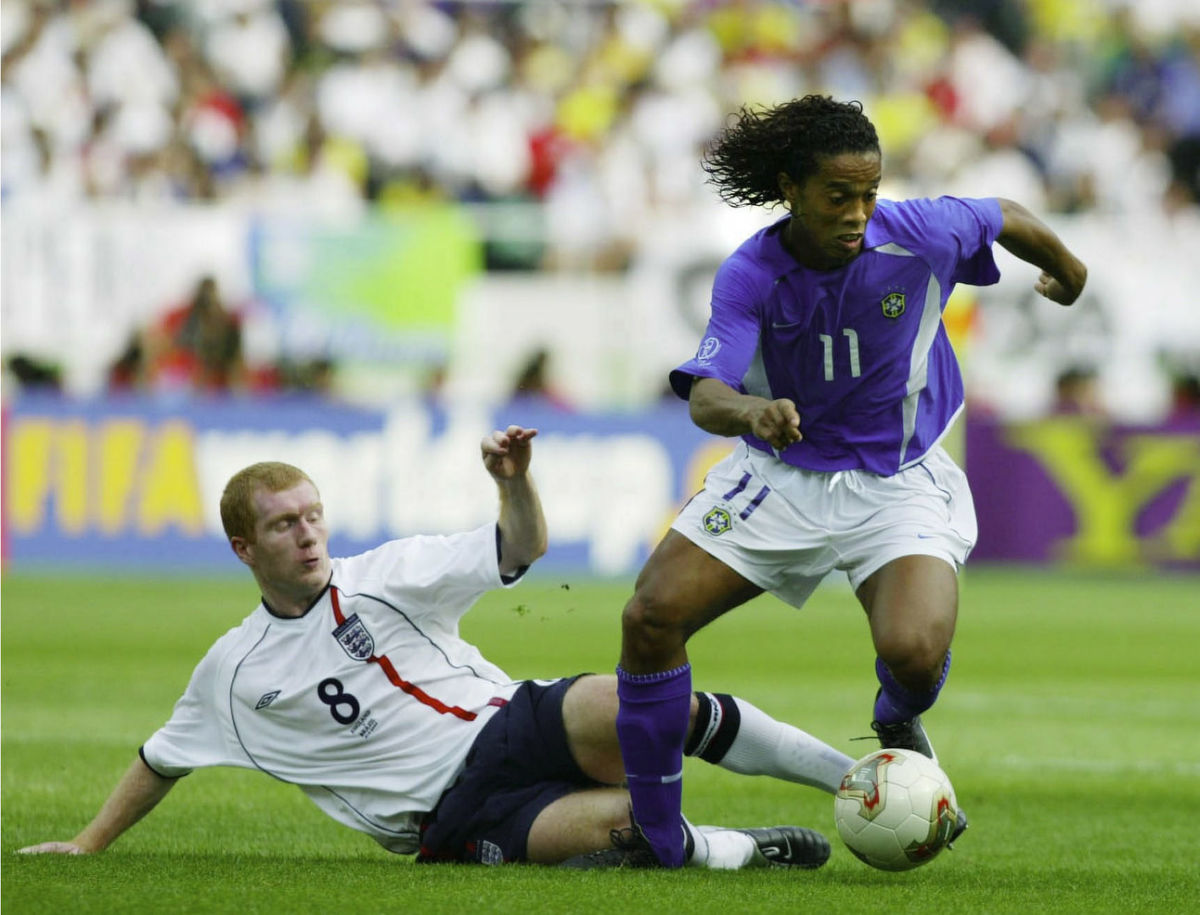
In a sporting context, a growing number of fans have lamented the rise of system players, as there is little room for creative and expressive players such as Dennis Bergkamp, Zinedine Zidane, Ronaldinho, and Jay-Jay Okocha, all of whom could turn a game on its head while creating movements that lead to goals. Presently, this means that teams rely on marginal gains to achieve victories over opposition teams, and we’ve seen this in the Premier League this season with an increase in set-piece, time-wasting and low blocks. The league has become much stronger, with the gulf between the Big Six and mid-table teams narrower than it once was. Football is constantly evolving, but an increased reliance on data and metrics has meant that teams are less likely to take a risk on a maverick player. This is why Baller League has grown in popularity: this type of football and its platform are conducive to creative expression and freedom, with far less at stake than at the summit of professional football.
The biggest indictment of pop culture at the moment is that young people are increasingly finding it difficult to imagine their own futures. Not all is lost, however; young people are increasingly turning to one another and to spaces where they can learn from older generations, a trend rooted in a belief in curiosity. How does this all relate to the future of cool? We’ve already established that sincerity and authenticity can’t be achieved without curiosity; however, for this to happen, environments and platforms that facilitate this discovery must be nurtured.