
Cooling Off: The metrics of cool have shifted

Everything about Marty Mauser, the character, is not cool. He lives with his mother, works in a neighbourhood family shoe store and plays table tennis in a country where baseball and American football are the primary sports in post-war New York. Timothée Chalamet, the actor, on the other hand, is cool.
However, so much of the Marty Supreme campaign was considered cool before audiences had an opportunity to see the film and judge for themselves. Whether it was the jacket, Timothée Chalamet’s collaboration with EsDeeKid, his courtside fits at New York Knicks’ games, or the Zoom pitch call, everything about the campaign felt authentic, despite none of it having anything to do with the film’s premise.
To a degree, the campaign worked, as the film became A24’s second-biggest opening-weekend grosser, earning $28.3 million. Looking back, it has become apparent that the entire campaign was a bid to make the film the talking point of early 2026, and to have something to say about Marty Supreme means you’re engaging with the world around you beyond doomscrolling and algorithmic feeds.
The best way to measure how this shift has occurred is to look at an older contemporary during their ascent to stardom – say, Leonardo DiCaprio. DiCaprio largely became cool because of the roles he played in the 1990s: Romeo (Romeo + Juliet), Hank (Marvin’s Room), Jack (Titanic) and Richard (The Beach). Granted, it was much easier to get people to go to the cinema in the 1990s than today, and the longer turnaround between cinema distribution and rental services meant that films were shown at the box office for much longer.
Marty Supreme is everything superhero films aren’t, despite the fact that Mauser isn’t exactly what many would consider a nice person. Many of us could say we know, or have come across, a Marty Mauser-type character, particularly if we have worked in the creative industries in any major city.

One of Marvel’s most beloved franchises, X-Men, is returning to the big screen later this year in Avengers: Doomsday, and the failure of previous adaptations and MCU fatigue have audiences feeling cautiously optimistic about the forthcoming film. However, more importantly, going to the cinema to watch a new Marvel film, or any superhero movie for that matter, in 2026 isn’t an act that would be considered cool. Granted, comic books have teetered on the line between cool and uncool, with their audiences stereotypically falling into the latter category. Let people enjoy things, of course, but what worked for Marvel in 2008 won’t necessarily work now. We were living in a post-Iraq War, post-Great Recession world. Audiences craved heroes that offered escapism.
And one of the reasons why films that focus on human, relatable stories, such as Past Lives, Marty Supreme, Sinners, Weapons and One Battle After Another, have performed so well with audiences is because, on a deeper level, audiences are seeking richer film experiences, and to engage in those conversations shows that you’re culturally informed. That in itself is cool. Going to watch a superhero, sequel or IP film in 2026 is probably akin to watching the latest season of brain-rotting Love Island; you know you’ll be entertained, but it probably isn’t going to be that good for you. This is why we’re starting to see a rejection of Twitter- and LinkedIn-like content on Substack: genuine, individual thought is authentic.
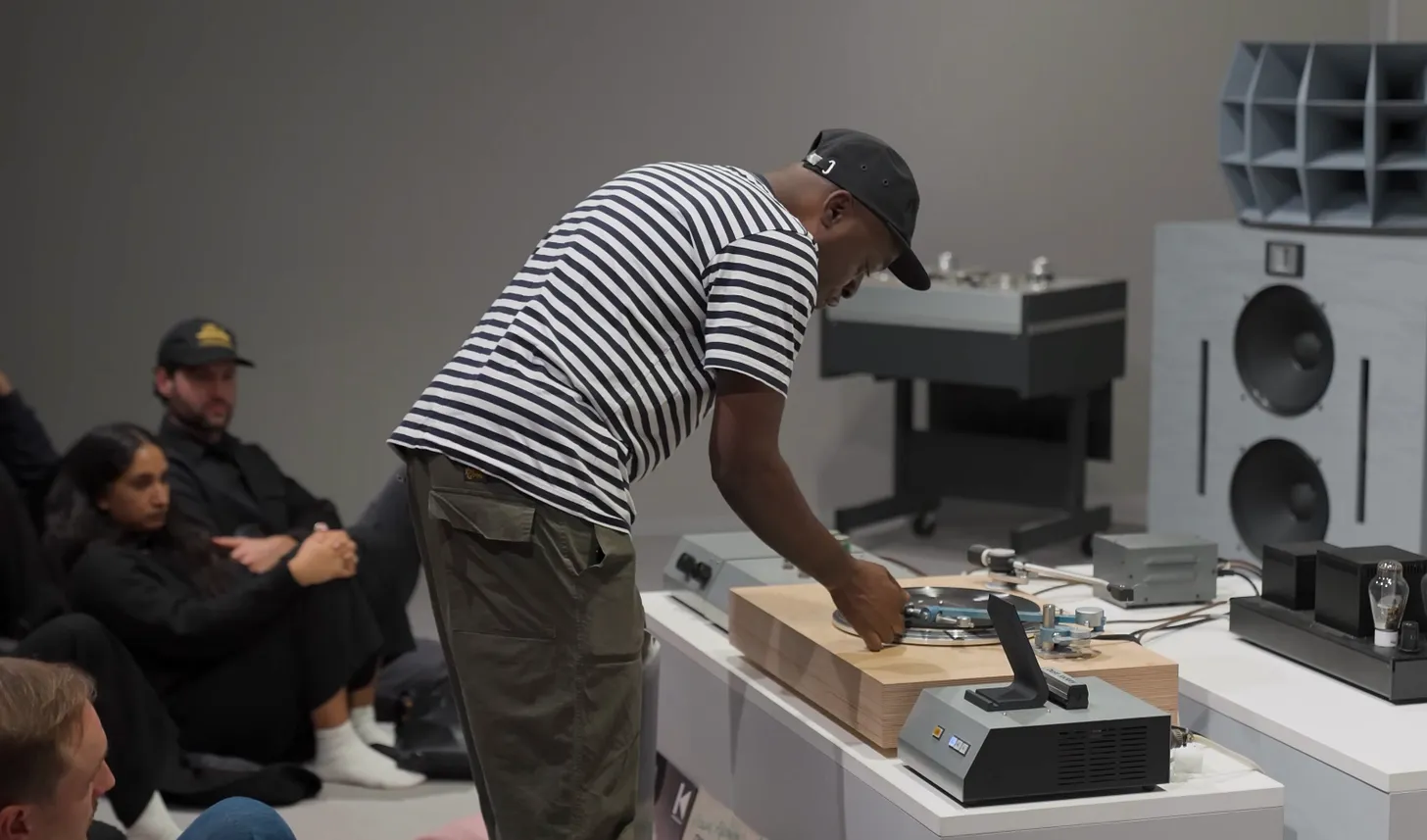
Literacy and critical thinking skills are plummeting, so much of the world is encouraging us to scroll instead of read. Some even believe the next biggest war is already taking place, and the feed is the battleground. Where we can look to the future and help define what’s cool is through encouraging knowledge-sharing and individual taste curation. We’ve already seen signs of this with Miu Miu’s literary club, launched in 2024 and 180 Studios Listening Sessions in the Devon Turnbull room.
The latter is of particular interest because the listening sessions have celebrated tastemakers such as Charlie Dark, Elijah, Judah, and Tash LC. This isn’t just because of the beautifully designed sound system; it also signals a return to analogue, crafted, tastemaking in a world where DJs are celebrated for highlight reels and for distancing themselves from the audience. The 180 Studios Listening Sessions bring the audience back into the fray, removing that barrier while allowing the tastemakers themselves to share the knowledge they’ve acquired through the records they own. They have to know each record intimately to talk about it, and this is an act far more intentional than dropping songs onto a USB.
In years gone by, having specialist knowledge and interests may have been considered uncool, but the signs of the times indicate that this is actually the immediate future of cool. You don’t have to like the films, exhibitions, TV shows or albums that are considered high-brow, but having a critical opinion says a lot about how you engage with pop culture. It’s one thing to own a product, but how are you able to describe its meaning in your life? That space in between is what will define cool. Where consumption isn’t about having the latest fashion product but a deeper understanding of the world around us and the cultures that build it.