
Find My Friends: a form of affection or surveillance?
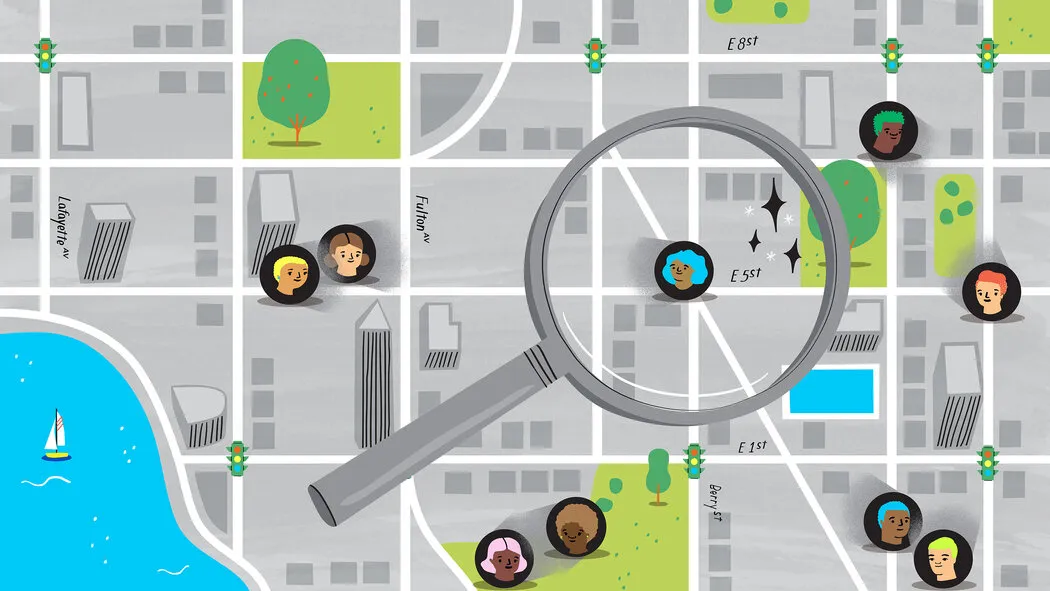
My friends always complain that they can’t see my location on Find My Friends. I switch it on for festivals and other large events where I don’t want to get lost. But then I switch it off again a few days later. I'm not entirely sure why. I don’t have anything to hide. It just doesn’t sit quite right with me. But it seems I would be in the minority amongst my generation. According to a report by location-sharing app Life360, approximately 70% of Gen Z users utilise such platforms, and one in two has more than 10 contacts on Find My Friends.
I guess the first iteration of this location-sharing trend was Snap Maps by Snapchat, which came out in 2017. While Find My Friends had been around for longer, it was mainly used amongst families. Snapchat took it to a whole new level. I used to love flicking onto the map during summer holidays and seeing all my friends spread out across Europe. It was fun. And I didn’t really use it for any reason other than that.
Eight years later, and most of my friends are off Snapchat, preferring iMessage, WhatsApp and Instagram for group chats and personal messages. However, the desire to see what other people are doing and where they are located has not diminished. In fact, I think it’s become greater. Now, most of my friends have each other on Find My Friends, Apple’s own location-sharing app.

When it comes to safety for women and LGBTQI+ individuals, Find My Friends is incredibly useful. Being able to see whether your friend, daughter, sister or girlfriend has gotten home safely after a night out is invaluable, and one of the greater technological advancements of our times.
It can also come in handy when you’ve lost your phone. If someone else has your location, they can track your device live – although this isn’t much help when your phone gets stolen and you simply have to sit and watch as it makes its way to China (speaking from personal experience).
When I ask my own friends why they like to see our group’s location, the answers mainly lie around convenience: when we are getting ready to meet each other, we know when to leave the house; when we are meeting a group, we can see exactly where they are; when we are planning a night out, we can see who is at home and who is busy. Others just say they like seeing where their friends are and what they are up to, going on the app as frequently as they might on Instagram or X.
A survey commissioned by Bumble For Friends in 2024 found that 54% of Gen Z respondents view sharing their location as a form of affection, with 51% viewing it as the ultimate sign of friendship. Sharing your location has become a sign of trust. For many, this is intensified when it comes to romantic relationships, as they find comfort and security in knowing where their partners are.
But of course, this presents an entirely new set of difficulties. Location tracking your partner can become extremely dangerous in relationships that are controlling, abusive or coercive. “The tracking technology can be easily exploited by abusers to exert control and facilitate domestic abuse,” writes Ella Glover, author of The Lead on Substack.
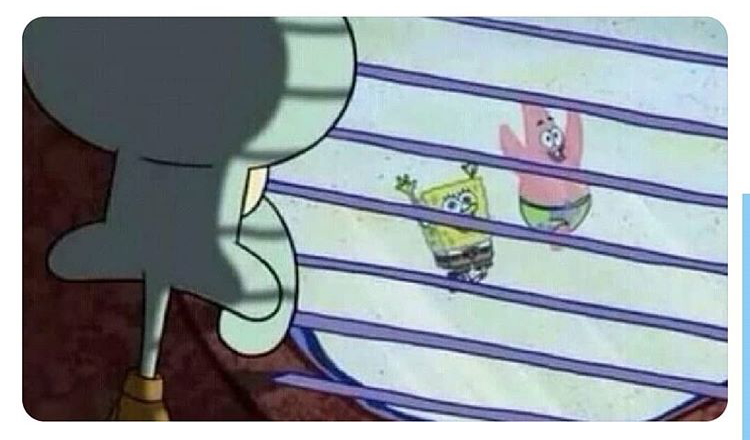
Even in less extreme cases, when a couple splits up, having your ex’s location on Find My Friends is not the best idea. I’m a firm believer that what you don’t know can’t hurt you – although that’s definitely easier said than done, and now that we have the option, why wouldn’t you?
On the whole, using Find My Friends is harmless and innocent, and I don’t judge people who use it or other similar apps. But I’d question whether it is the direction we want to be headed in as a society… checking your friend’s location instead of actually calling them to ask where they are or when you should leave the house. We have already replaced a lot of human interaction with digital; the least we can do is maintain common logistics.
I’d also argue that some things should be left up to mystery. We already know so much about each other’s lives via social media; do we really need to know what everyone is doing at all times of the day? With our data being collected by Google and sold to advertisers, the widespread use of facial recognition technology and our phones listening to our every conversation, do we really want to be tracking each other as well?
Besides, the strongest connections aren’t built on knowing every last thing about each other. While it’s good to be honest and open and intimate with your loved ones, it’s also understandable and reasonable to keep some things to yourself. That, to me, is real trust.