
Gen Z are driving a surge in popularity for luxury watches, but the values they are purchasing with have shifted
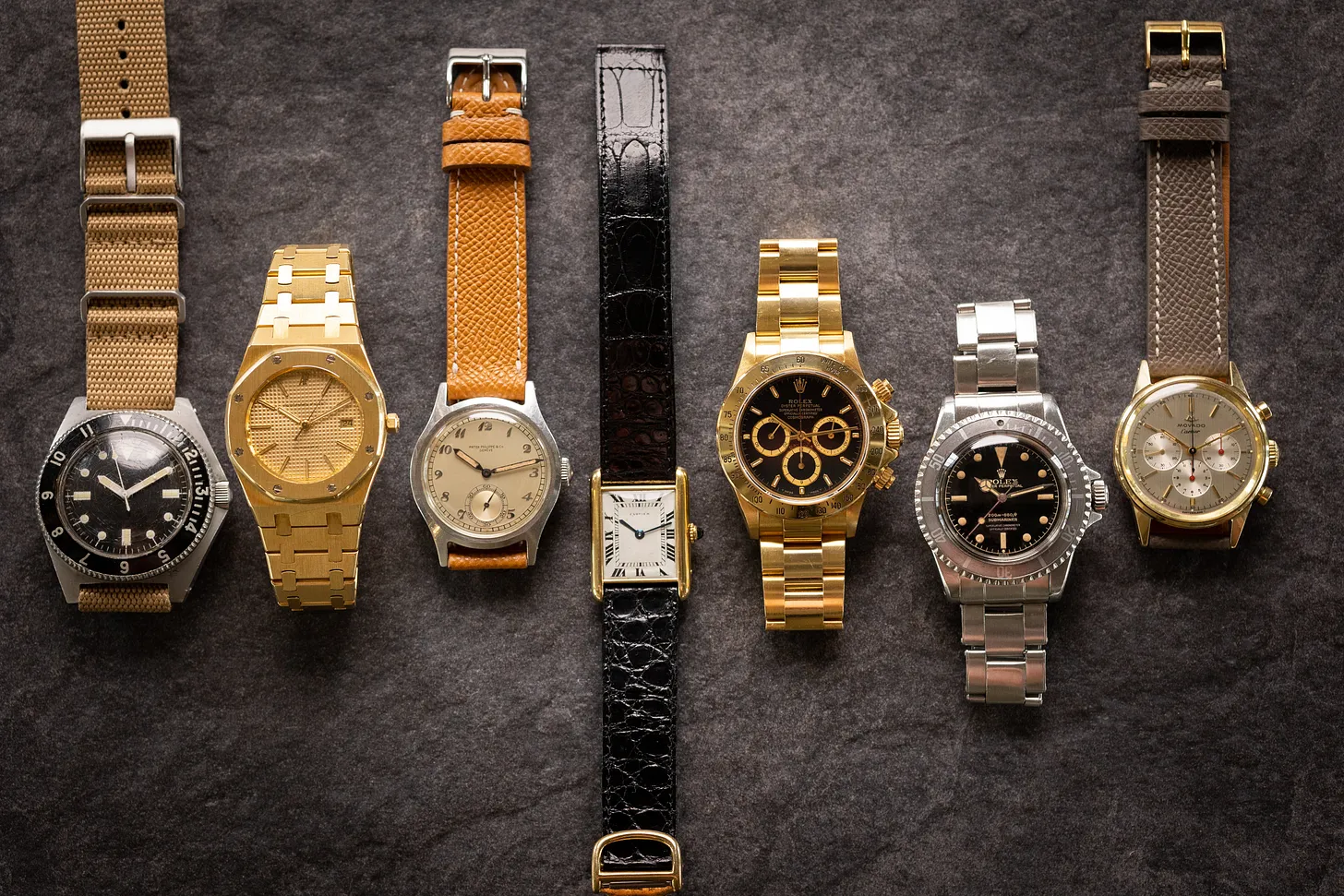
When I first noticed the Instagram reels in my brother’s algorithm of luxury watch dealers in New York bargaining with prices, I was slightly surprised. For me, luxury watches held a very particular image in my mind. They were for rappers and rich businessmen; a status symbol for people who wanted to show off their personal success and achievement. They were ridiculously expensive and, therefore, something you purchased, if ever, when you were a lot older. But my 20-year-old brother was obsessed.
He isn’t a particularly flashy guy – he’s into fashion, but not necessarily luxury fashion – and he certainly does not have the money to buy the type of watches he’s been looking at online. But those vintage timepieces had him hooked.
And he’s not alone. A surge in interest for luxury watches is being fuelled by the generation worst placed to purchase them; the generation born with phones in their pockets to tell them the time, and a financial crisis in their wallets. You may say, What’s changed? Luxury watches have always represented the height of aspiration in fashion, with young boys and men in particular pining for some ice on their wrist. But this is different. The values driving Gen Z towards the watch industry have shifted. It is no longer about needing to prove yourself or peacock your accomplishments, but about something deeper and more meaningful. I set out to investigate.
When Apple first launched the smartwatch in 2015, people were worried it would kill the entire Swiss watch industry. But, a report by The Business of Fashion published in 2023 revealed that this was not the case: “Sales of smartwatches, including Apple’s top-selling version, have plateaued and are no longer a significant threat to the Swiss watch industry”. Today, sales for the digital wristpieces are still declining, with more and more people choosing their analogue counterparts instead.
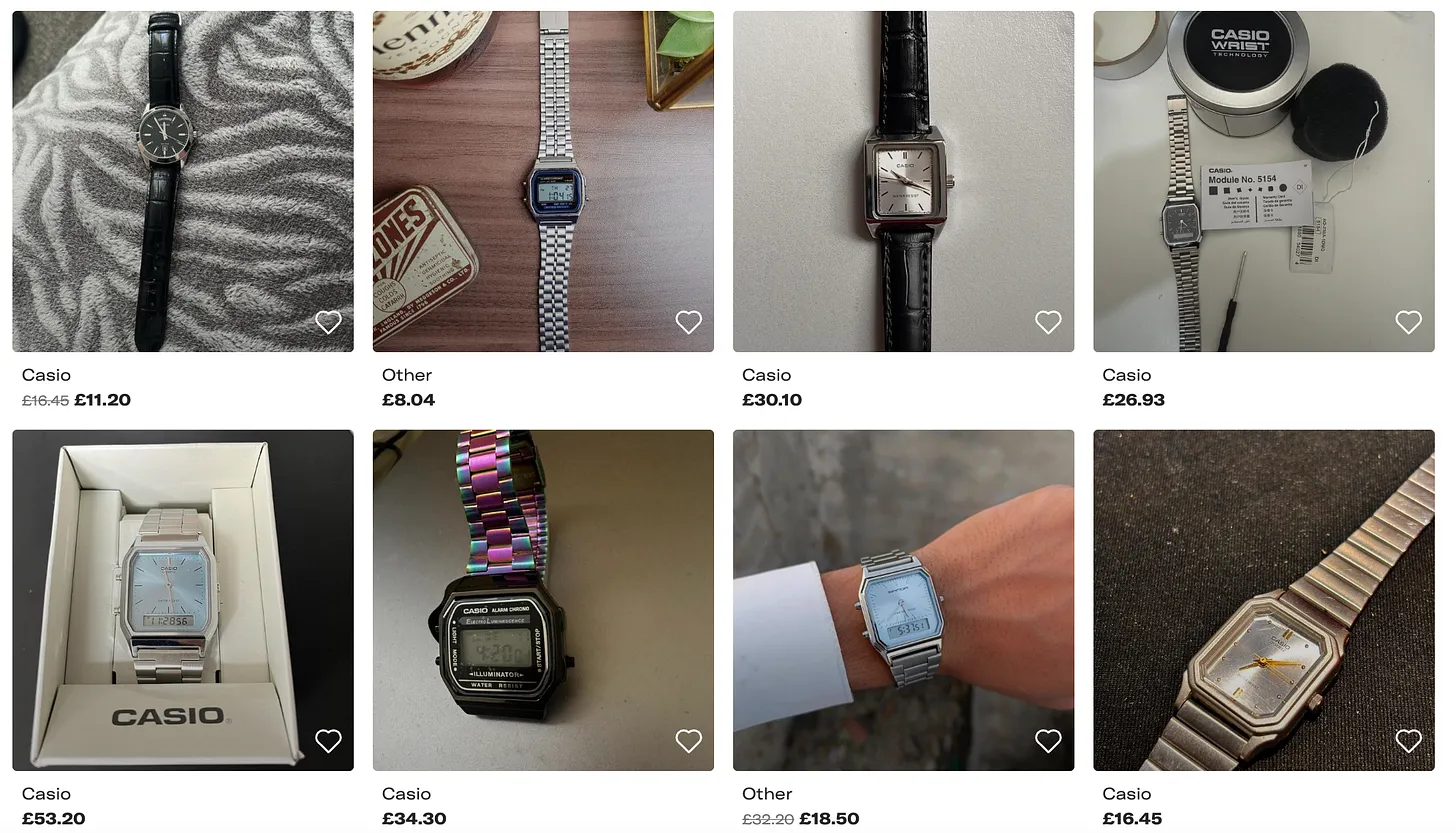
As many Gen Zers are first-time buyers, their purchasing habits are largely centred on the pre-owned market and at the start of 2025, Depop experienced a 34% increase in searches for watches within a month, with these results predicted to continue rising. Gen Z’s relationship with these second-hand platforms has facilitated a redefining of luxury, where young people are engaging with these brands via resales rather than posting new. Meanwhile, TikTok and Instagram are filled with videos of young watch aficionados recommending ‘entry-level’ pieces such as Casio’s metal A168, which hovers around the £60 mark.
And even those who do have the money to buy at retail price are not looking for the most expensive or obvious pieces, as Warren Halliwell, a content and campaign manager at Casio, told The Guardian. “They [Gen Z] reject the idea of wearing expensive things. They want something authentic rather than something that says I have more money than you.” The brand, known for its durable, affordable, and reliable designs, has seen a surge in popularity over the past three years, which Halliwell puts down to the growing trend for more discreet models that last longer.
So, if it’s not the glitz and glamour that their predecessors were chasing, then what is it that is pushing Gen Z towards the wristwatch? I asked my brother. “For me, they are beautiful pieces of machinery with so many little intricate details and functions that sit on your wrist all in one. They represent attention to detail, care and something that lasts forever,” he tells me. While his friend, Ali, says: “It’s not really about showing luxury — it’s about what it represents. I build things from scratch, so owning something that reflects the same level of craftsmanship and discipline feels personal. It’s a reminder of the virtue that exists in doing things properly.”
At a time when our lives have become increasingly automated, with AI promising to take this even further, young people like my brother and his friend are enamoured by the allure of the analogue. They covet screenless interactions. Something that has been meticulously built by hand, with time and care put into every element. As a spokesperson for Depop told The Guardian: “We’re seeing a movement towards simpler, more traditional aesthetics that create a sense of nostalgia and familiarity. In a world where most of us are glued to our phones, an analogue watch exudes a steady familiarity and classic style that blends both fashion and functionality.”
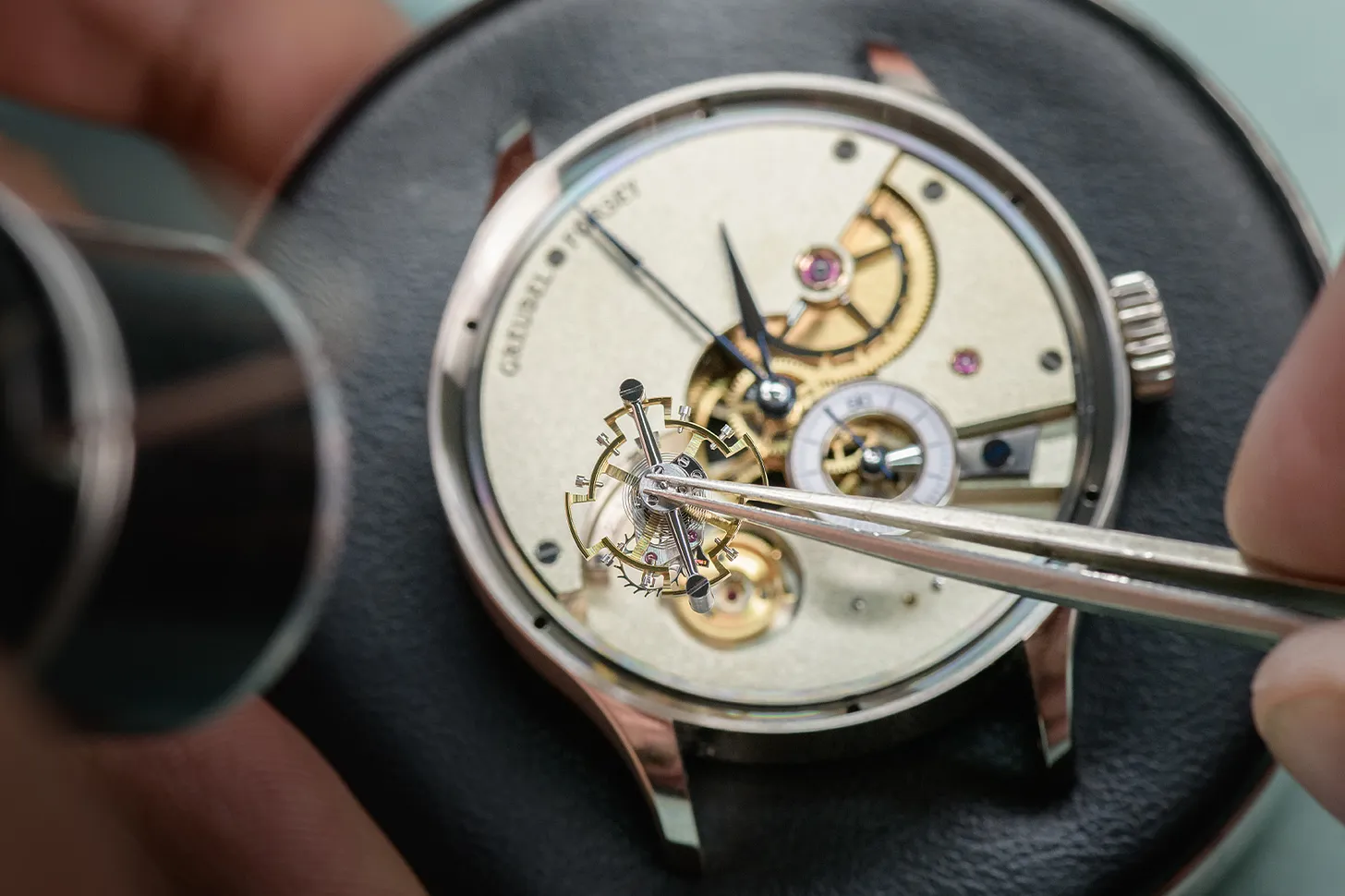
The artisanal nature of the wristwatch also appeals to Gen Z’s desire for sustainability. Vintage timepieces are the antithesis of fash-fashion; they can, and should, be kept for a lifetime, passed down through generations, each time imbued with greater emotional connection. One of the rare items that increase in value over time, watches are an investment, something Gen Z knows all too well about, having been born into an era of economic uncertainty. It has been shown that this generation is more likely to start investing money into private markets such as crypto far earlier than Millennials or Gen X ever were.
And that’s not all. With social media churning out fashion trends faster than ever before, creating identical clones of us all, stylistic individuality has become the ultimate goal. Of course, this can come from owning niche brands or one-off pieces, but accessories are probably the fastest way of achieving this. Wearing a basic outfit but hyper-personalising it with family jewellery, vintage belts, or a unique timepiece, elevates your outfit by communicating something distinct about your character, your experiences and your taste.
Analogue watches are signifiers of the past; they represent a time when things were a little more certain, a little less volatile. They encourage slowing down in a world of speed and convenience. They are sustainable in the sense that they are built to last (although not in other ways). And they are hand-built, signifying artistry and craft in a world of mass-produced items. Whilst they are often priced absurdly, sparking valid criticism around their ethicality in a world of extreme inequality, Gen Z’s preference for cheaper and more humble options suggests that the values around them are shifting. My brother will not buy an expensive watch because he has fame or fortune, but he will seek out a second-hand one because he sees value in non-digital mechanisms.