
Redefining Winning: How UK Street Basketball is Embracing the Purity of the Game
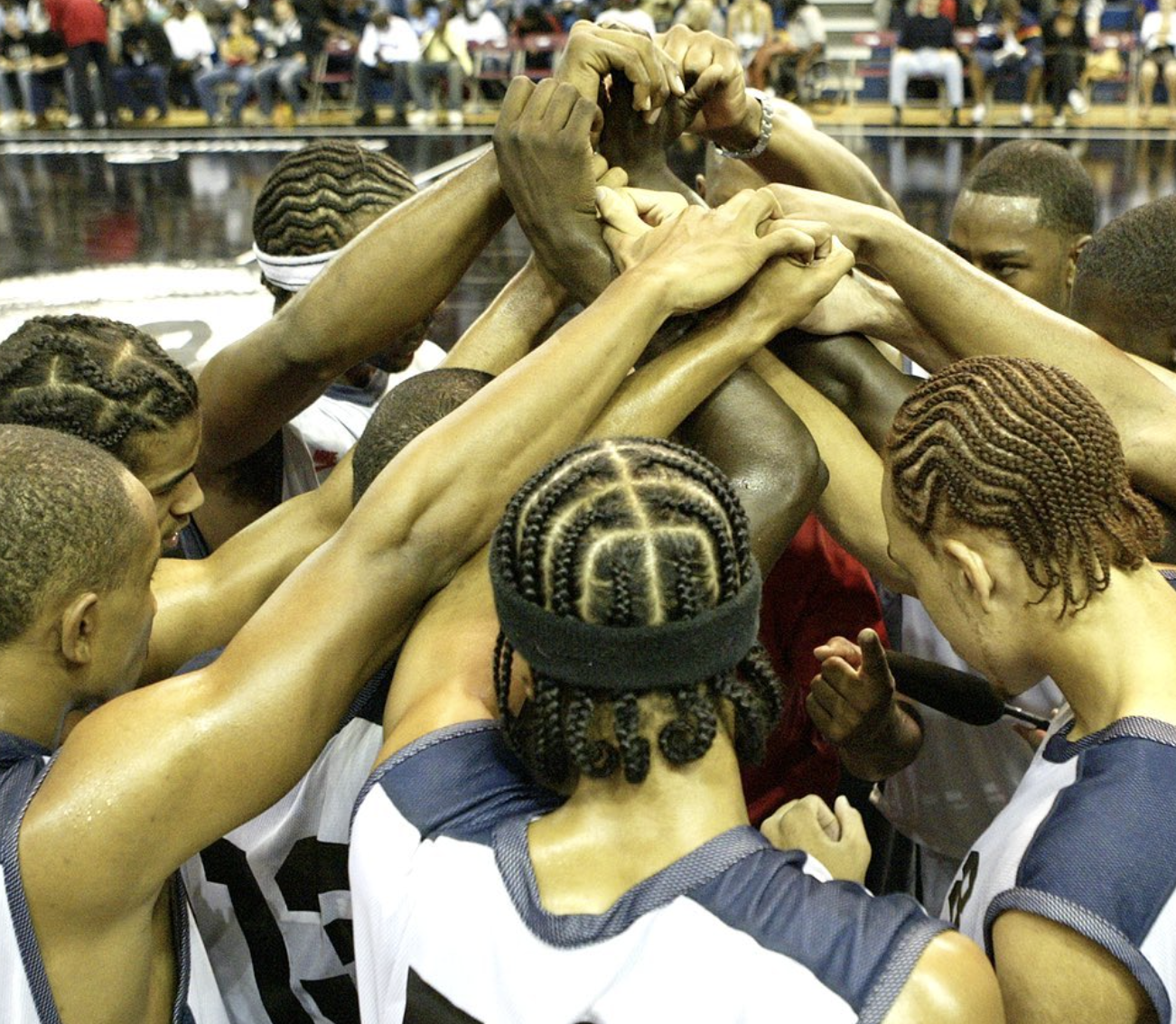
Following on from our webinar, where one of the key takeaways was that playfulness is a destination, we learned that young people are recognising that winning isn’t everything. Play isn’t necessarily the beginning of the journey towards winning; it’s the ultimate goal itself.
A new wave of British basketball brands, such as AND1, Half Decent Day, Ball Is London, and LondonHoops, is actively redefining pick-up basketball culture. This shift has subtly influenced the perception of ‘winning’ within the street basketball scene, steering the ultimate goal away from professional leagues and toward grassroots competitions. By championing community focus and staying deeply rooted in the game’s street foundations, these brands are reshaping the landscape of British basketball.
Henry Dean (32), a photographer, director and founder of LDN Washed Club, a scrimmage for older players, reflected on how traditional pathways into professional basketball have shifted over the years. “The traditional pathway in Britain would be a 15-year-old leaving Britain to go and play either in Spain or in the US, ultimately the two most popular places to work,” Henry says. But the current infighting and disarray among British basketball’s governing bodies have forced players to seek opportunities outside the traditional structures. “There is no domestic traditional pathway at all, and I think that's a real shame,” he says. It’s becoming increasingly clear that winning doesn’t just mean making the pro leagues and that being able to play basketball at high, competitive levels is rewarding in itself.

AND1 has reemerged as a significant player in the European basketball scene, a notable achievement following several years in the wilderness. The brand, which first started in 1994, quickly came to represent the raw, authentic essence of street basketball culture. AND1 gained widespread notoriety through its successful mixtapes and popular tournaments, which regularly featured high-profile NBA players, including the legendary Rafer Alston, famously known by his streetball moniker, Skip To My Lou. This connection to both the professional and grassroots levels of the game solidified its position as the brand everyone aspired to wear and represent.
However, after a period of decline due to an inability to compete with major brands with new shoe technologies, 2024 marked a pivotal moment for the brand with its strategic relaunch in Europe. Since this reintroduction, AND1 has been steadily building a visible presence, particularly in London, where it is actively engaging the community by hosting regular grassroots basketball tournaments at the iconic Turnpike Lane courts in Wood Green. This effort signals AND1's commitment to recapturing its former glory and once again becoming a staple of street basketball culture, where the focus isn’t as much on shoe technology but its brash, playful DNA.
.jpeg)
The enduring legacy of Midnight Madness, one of Britain’s longest-running grassroots basketball tournaments, is a testament to its ability to reinvent itself for a new generation of players. It has strategically partnered with some of the most recognisable brands within the global basketball and media landscape, but has never lost sight of its roots in championing excellence and providing tangible pathways into the professional levels of the game. “Funding for the pro ranks, pro pathways and good youth set-ups,” are key to the development and growth of mainstream basketball, says one poll respondent. Throughout its celebrated history, Midnight Madness has been a powerful engine for talent development, generating 326 US scholarships for aspiring athletes, cultivating a global audience of 19 million viewers, and reinvesting £2.5m directly back into the infrastructure and future of British basketball.
These examples demonstrate how brands are injecting a vital element of spontaneity into British basketball culture. “Players have something to prove over here because football is our major sport,” Shamz (24), a basketball player from North London, told us. He describes the scene as “Electric, full of culture and always increasing. It’s the highest it’s ever been at the moment.” This approach is deeply rooted in crafting immersive experiences that deliberately embrace the unexpected, encouraging participants to step outside of their comfort zone for genuine, memorable engagement.
It’s yet to be established whether this is the cause or the cure of the increasing disinterest in the NBA’s viewership, despite the league’s recent announcement of its impending launch in Europe. That said, the level of spontaneity and excitement that ruled much of the NBA in the 1990s and 2000s has shifted with younger European audiences finding themselves preferring to play the game, rather than stay up late to watch games. And when pro players themselves are turning up to street pick up games to express their own creativity in the game, that’s a sure sign that participation still fuels its essence.
An unsung aspect within the UK’s street ball scenes that is making it feel refreshing is the idea of not taking everything so seriously, a belief Jaa (21), one of our webinar panellists, shares. “Once you are in a state of play, flow state, that's when stuff starts happening, there's less thinking, and it's more doing. Those are the moments you enjoy more.”