
Make beauty social again
For my 10th birthday, I received my first makeup set. It was contained in a toaster-sized box, made of transparent plastic so you could see everything inside. It opened from the top, revealing a tiered system of beauty supplies… Lip liners, eye liners, lipsticks, mascara, blusher and various shades of shadow (all of which I used). I wasn’t a conventionally ‘girly girl’ (whatever that even means), but this was an exciting and unexpected present that would be used consistently over the next year or so, by the end of which the liners were stubbed out, the lipsticks broken, and the transparent plastic no longer transparent. Instead, it was painted in swipes of blue, black and pink.
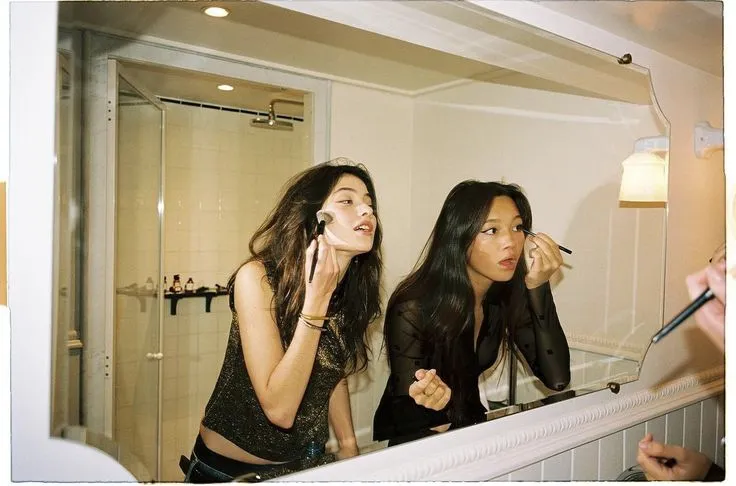
As a 10-year-old, I didn’t have much practical use for makeup. I wasn’t wearing it to school, of course, nor to the playground. Make-up, for me, was a game. It was a social activity that I would invite friends over to partake in with me. Small gatherings of girls colouring in each other’s faces – sometimes blindfolded – and taking photos after. Not too far off from when I went on my first girls’ trip – to the Algarve in Portugal. There, we spent most evenings huddled around mirrors with glasses of vodka lemonade, inspecting each other’s make-up bags and, again, painting our faces before taking photos of each other.
A couple of years later, I couldn’t believe my luck when I realised a large chunk of my university experience would comprise these evenings, taking my make-up bag to my friend’s bedroom to get ready together. Here, candid, open and honest conversation would flow, the ritual of getting ready gently inducing the sharing of problems, stories and advice.
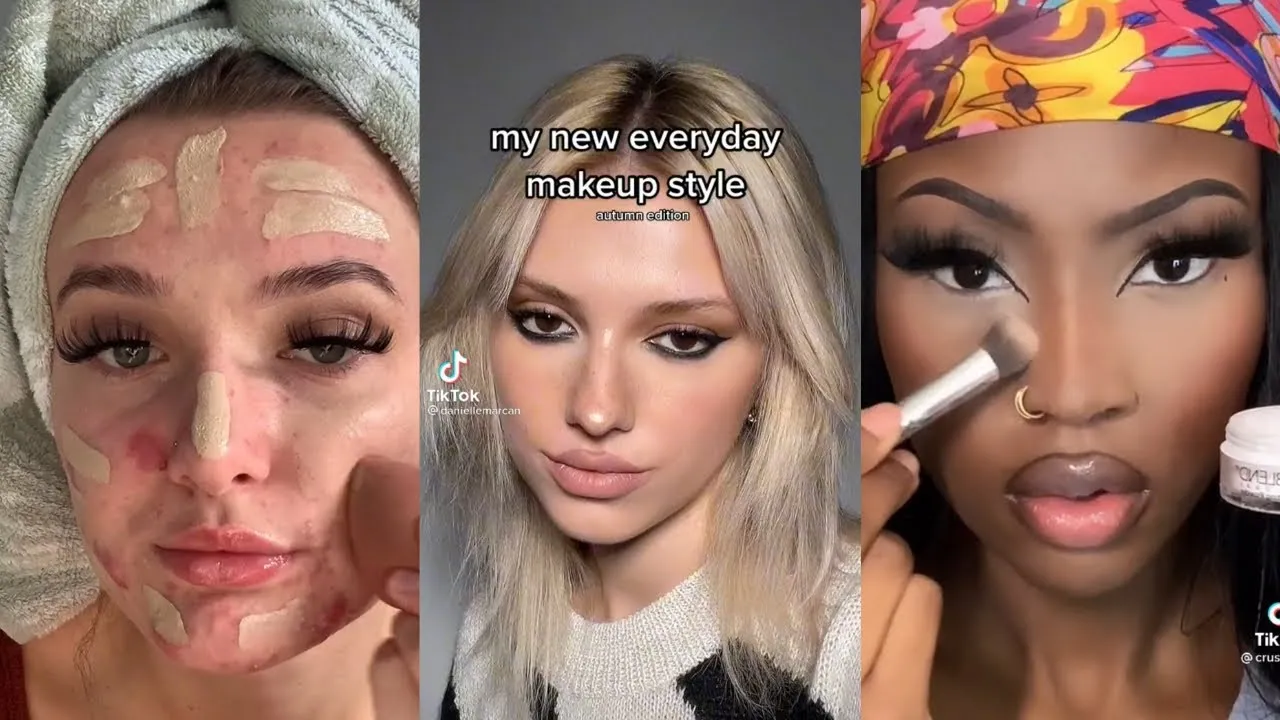
Then, something happened. Beauty became atomised. A hyper-personal, individualised activity conducted in private from the confines of your bathroom. No longer could we rely on each other’s steady hands to perfect our winged liner. No longer could we compare products, ask for reviews or receive recommendations in person. Instead, this moved online, with three in five Gen Zers saying they go to TikTok for beauty advice. Here, products are reviewed, compared and recommended over skin-care and makeup tutorials. In an odd simulation of real life, the online ceremony seems to spark the same unfiltered sharing of personal anecdotes and embarrassing stories as the IRL version, only this time recited to an anonymous crowd of commenters, as opposed to those most intimately known to us.
Rich and thriving, the online beauty community allows consumers to access products from across the globe, evidenced in the rise of Korean skincare and, more recently, Chinese skincare in the UK. Niche brands become viral trends within days, quickly moving to the high street and then flying off the shelves, from the Wonderskin Lip Stain to the Biodance Bio-Collagen Deep Mask Pack.
But while these online communities are strong, the value of in-person connection cannot be understated and, faced with a cost-of-living crisis and a lack of third spaces, many young people crave such experiences, as evidenced by the rise of activities such as chess club, book club and speed dating. Today, young people are increasingly staying in, trading a night out with friends for a 10-step skincare routine, but it doesn’t need to be that way. Beauty doesn’t need to be a thing we do in a vacuum; it can still be something that brings us together.
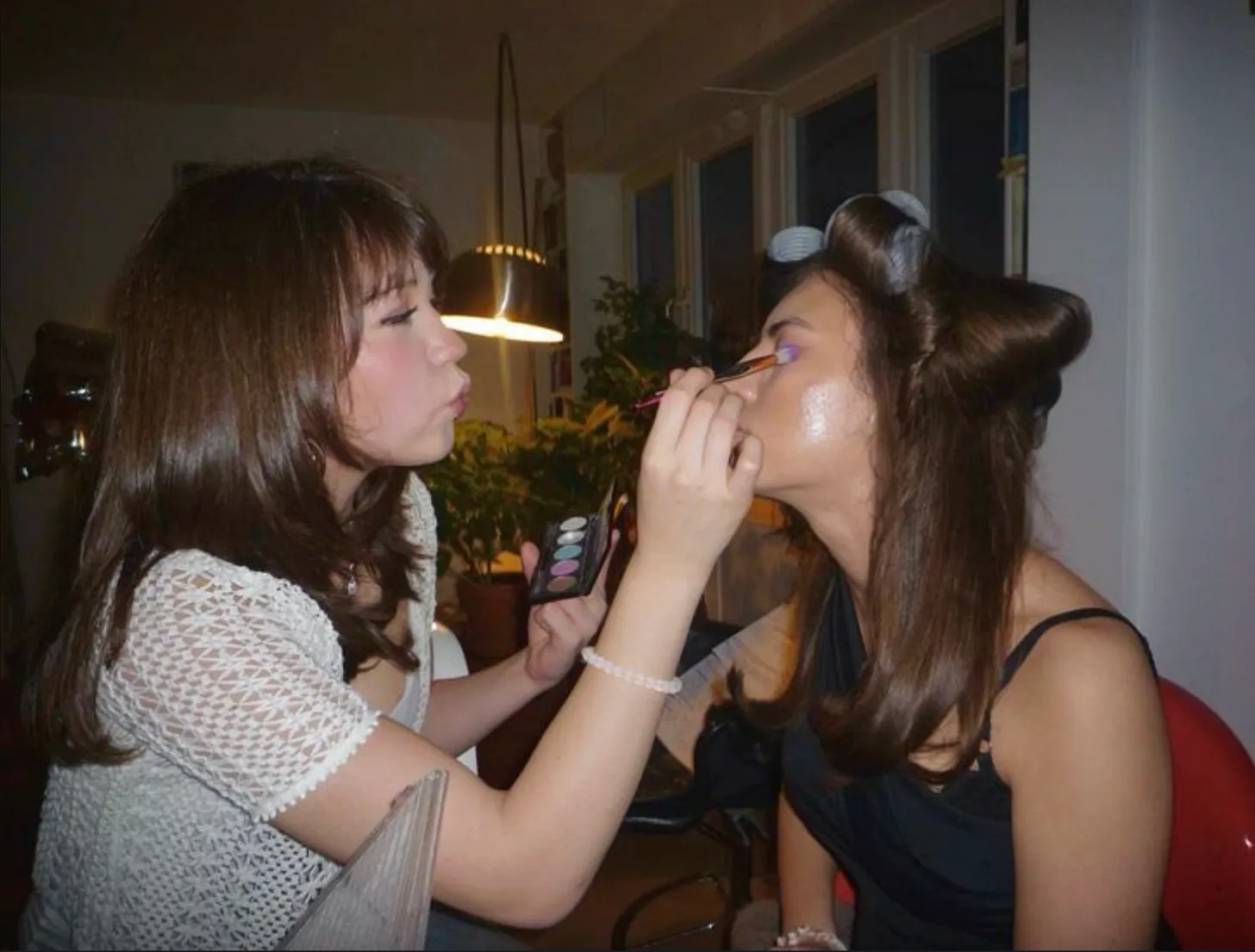
This presents an opportunity for brands to transfer the URL beauty community back to its IRL roots by creating events and experiences that reignite the shared rituals that made make-up so much fun in the first place. Through targeting specific communities within the wider beauty scene, and bringing them together via immersive workshops, try-on events or treatment sessions, brands can reinstate beauty as something we do for ourselves and each other, not in isolation.
We know there is already a ripe market for self-care experiences, with nearly 80% of travellers open to booking a dedicated glow-cation featuring multiple skin-specific treatments tailored to their personal skincare needs, according to a report by Booking.com. The growth of wellness tourism reflects a broader desire for social activities that simultaneously boost mental and physical well-being.
As the beauty industry continues to grow online, it risks encouraging further disconnection from community structures, as young people retreat to their bedrooms to enact self-care. Alternatively, brands could harness the ubiquity and universality of this shared passion to create new community structures by taking all that online discovery, advice-sharing and learning and bringing it in-store. And, if the setting is right, these community structures might have the power to spark those free-flowing, sincere conversations that are born out of comfort and ceremony.