
Money Troubles: The New Dynamics Behind Gen Z Banking Trends

- A challenging economic climate is changing how Gen Z consumers engage with money, banking and finance.
- Legacy brands are still on top, but their cultural connection to younger consumers is fraying.
- Brands winning in this space are the ones speaking openly and honestly about the challenges, and meeting young people where they are.
Money talks, and what it’s saying right now is clear: from living costs to the housing market, the climate crisis and AI, young people face a more hostile economic landscape than any generation since the Great Depression a century ago.
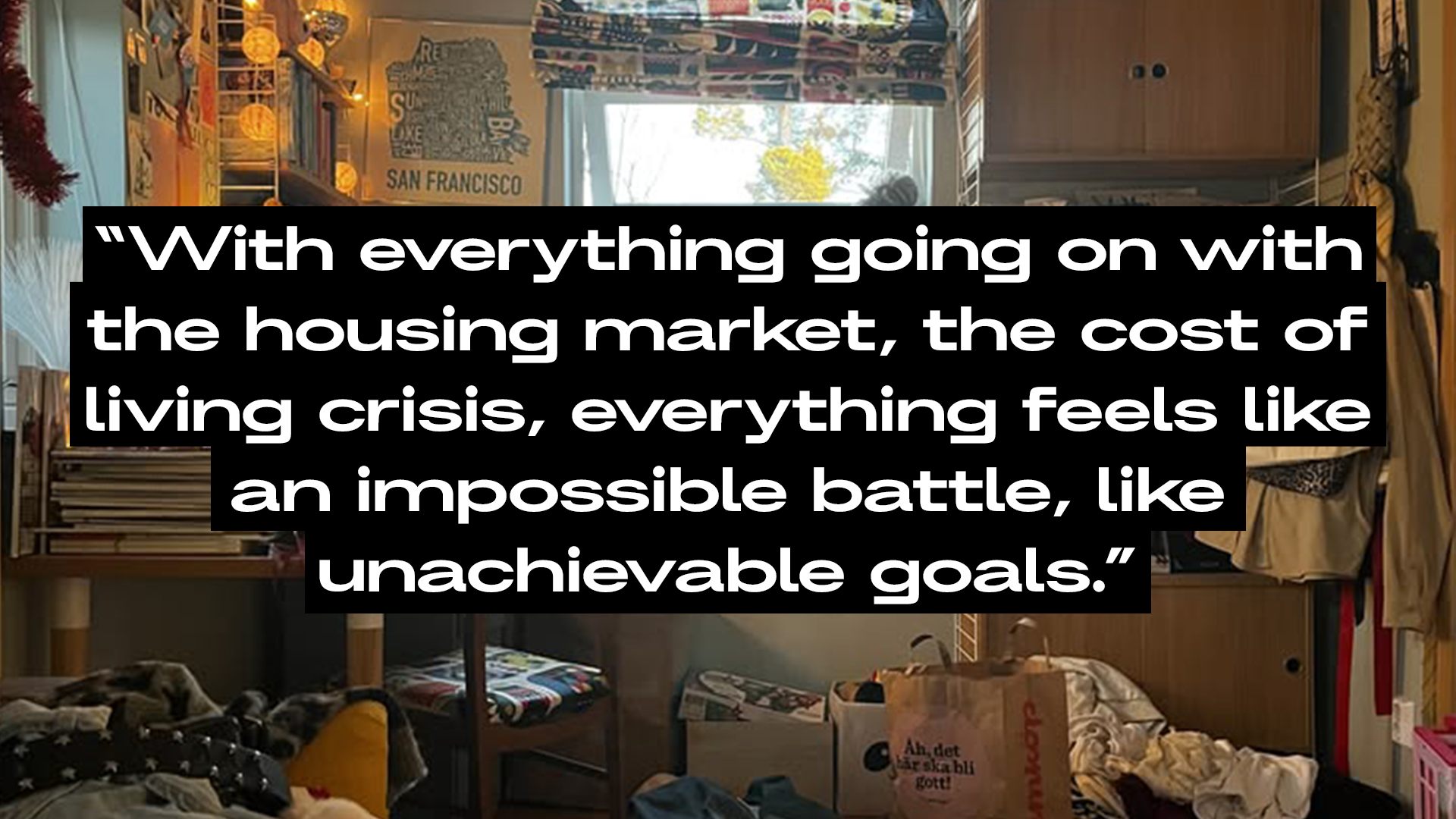
Whenever we ask the young people in our network about their worries and fears, economics are consistently at the top of the list. “With everything going on with the housing market, the cost of living crisis, everything feels like an impossible battle, like unachievable goals,” Nico (23) from London told us recently. Kareem (22), also from London, shared similar thoughts: “I feel like there's a big problem now with like grad jobs and there not being enough. University students having to constantly apply to like so many jobs and then not get any interviews.”
Nico and Kareem’s sentiments are reflected in the wider data: according to 2025 research commissioned by HSBC, 12% of Gen Z believe that they’ll never retire, a quarter feel that their income isn’t enough to cover their living costs, and more than half have put no money into their savings for a year or more. These challenges have an emotional knock-on effect, with almost two-thirds of young people saying that they feel judged by family, friends or social media for how they manage their money.
And yet, too often, the response from financial institutions has focused on the symptoms, rather than the causes. When HSBC published their findings last year, they positioned these worrying numbers as evidence of a “financial confidence crisis” - as if a lack of confidence wasn’t an entirely rational reaction to wider material realities. We’ve built a world that systematically disadvantages young people, then told them that feeling stressed about it is their problem.
"Young people are smart, they can see the way the world's going," says Kristian Kolakovic, ON ROAD's Head of Network. "They're very aware that the things they've been promised by society, from housing to jobs, don't always line up with the reality they're living day to day. There's only so long that situation can last before people's mental health starts to suffer, and they start looking for alternatives that better meet their needs."
So what can brands - both inside the finance sector and more broadly - do to help Gen Z meaningfully tackle these challenges? The good news is that, while the problems can sometimes feel insurmountable, there are plenty of options for confronting them.
The first step is an obvious one: being honest about the nature and scale of the issue. Martin Lewis put it perfectly when he said that young people have been “sold down the river” on student loans in particular, and that they’re “understandably incredibly upset” after lenders and politicians have “taken a little bite, year after year” out of their economic opportunities.
Not every brand can match Lewis’ fiery rhetoric, of course, but there’s a reason that he’s regularly cited as the UK’s most trusted voice on financial issues: he’s willing to name the problem, rather than tiptoe around it.
Compare this to the narrative coming out of traditional finance brands, in which Gen Z’s biggest concern is apparently a lack of app-based personalisation options, and it’s easy to feel like the bigger picture is being missed. The result of this? More than half of Gen Z now say that they trust fintech companies over typical high-street banks when it comes to managing their money.
Lewis’ acknowledgement that financial pressures compound year on year is also critical. Fixing these issues involves a spectrum of incremental steps that contribute to a bigger goal, rather than thinking that you have to solve the entire problem at once.
Educational initiatives like NatWest’s “Thrive” are great at providing vital financial education and building young people’s confidence, but they can sometimes feel like they’re talking down to Gen Z rather than truly engaging on their level.
Aitch and Relentless linking up to offer free travel vouchers for under-25s suggests a fundamentally different mindset: it might not solve the cost of living crisis, but it does directly address one of the biggest economic challenges facing young people, namely the prohibitive cost of getting anywhere. Identifying a specific area where you can have a meaningful impact, then delivering tangible change - in this case helping young people see more of the UK - can be a vital part of the wider conversation, and feels like a much more credible intervention.
The final element is easy to define but hard to pin down: genuinely immerse yourself in the world of young people, and build products and stories which resonate with their needs.
72% of Gen Z consumers say that their main account is held with an online-only bank, while 31% say they’d change banks if digital tools and apps aren’t kept up to date. More than half say that everyday perks like free coffee matter more than traditional saving rates (which have remained flat for the vast majority of Gen Z’s working lives anyway).
Challenger brands like Monzo and Revolut feel instinctively in tune with those evolving needs, whereas older names can sometimes come across like they’re playing catch-up. Legacy brands including Barclays and Lloyds still top polls of Gen Z consumer sentiment, but market leaders ignore these kinds of cultural shifts at their peril.
Crucially, the changing dynamics of Gen Z banking are about more than just user design, marketing or jumping on the hype train around crypto or NFTs: it’s about showing Gen Z that finance brands see the world in the same way as their younger customers, and can offer considered, long-term solutions to the problems they face.
What makes banking stand out from other sectors, perhaps, is that relatively few of the main players appear to have found satisfying, holistic answers to the specific needs of Gen Z audiences. The first brand to work out how to square that circle, and find a story that feels both credible and compelling, will be laughing all the way to the bank.