
Play First: How does sincerity show up in the Global South?
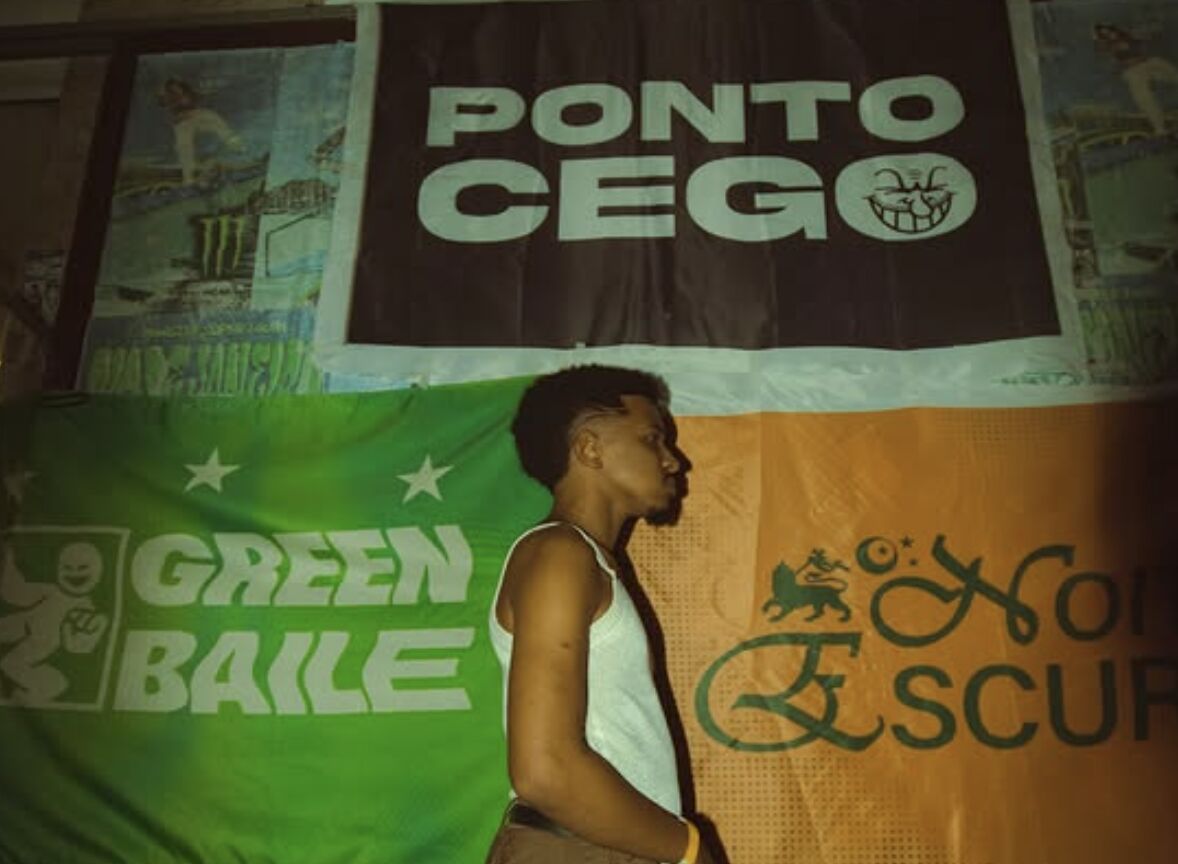
Carnival in Rio has always been a key event in the cultural calendar. Since its full return in 2023 following the pandemic, it has attracted new and younger audiences globally. It has long been the world's largest carnival, and this year saw an estimated 8 million people visit Rio de Janeiro in early February.
The street parties known as blocos and the side events that take place throughout the city were as varied and diverse in their musical offerings and attendee demographics. However, perhaps more than ever before, there was the influx of parties promoted by international attendees and young Brazilian collectives who have spent time in European cities such as Berlin, London, Paris, Barcelona, Lisbon and Milan.
The pandemic has been a clear catalyst for this shift, with carnival partially returning in 2022 without the sambodrome parade. The socioeconomic and political changes across the country have galvanised young people. Luiz Inácio Lula da Silva, known as Lula, was elected president of Brazil for a second time in 2023, marking a necessary change for Brazilians of all generations. The far-right Jair Bolsonaro, who was indicted in 2024 for planning a staged coup, not dissimilar from January 6th in Washington, felt like a regression for the country whose last dictatorship regime ended in 1985.
Many generations are old enough to have been heavily impacted by the regime led by President João Goulart, and this national trauma was only fully acknowledged by the Brazilian military in 2014. Lula’s presidency presented a newfound hope for every generation, and things are still far from perfect, particularly with rampant police violence, but at a macro level, young people are finding a way forward.
Young people in Brazil have felt anxiety and uncertainty about the future. Many of them have grown up and come of age during a time of populism, with fewer opportunities and increased state violence. They have, however, been galvanised by a spirit of collectivism that feels far more natural in a country such as Brazil, where community can be anything from sharing a last meal with friends to starting a collective.
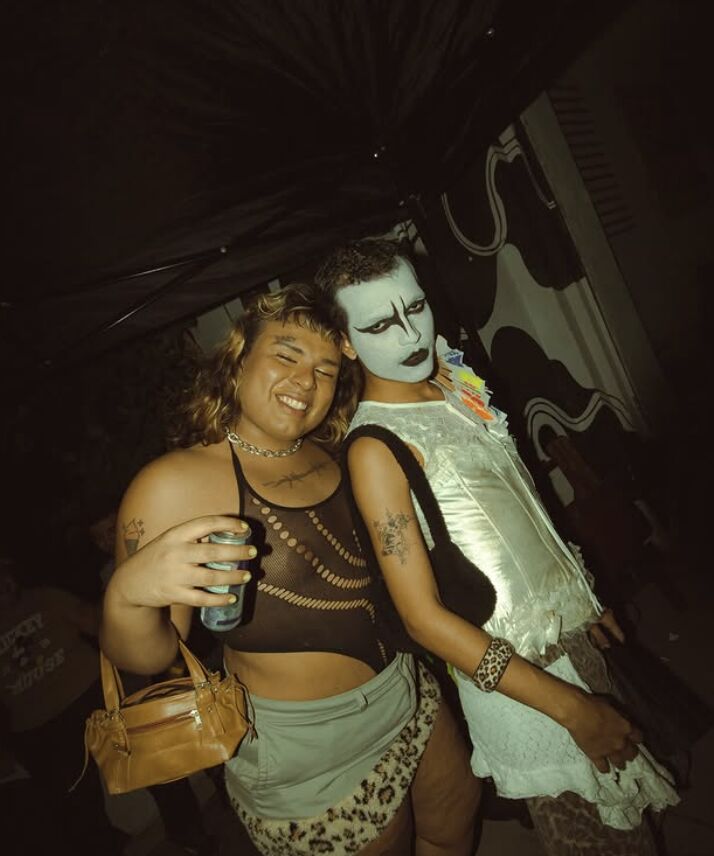
Ponto Cego, Louder, Savage Block Partys and Visão represent a shift from purely locally-focused to diasporic inclusion. While it isn’t new that Brazilians have sought new lives elsewhere in the world, Gen Z have increasingly found fresh beginnings in European cities where they can take advantage of Brazil’s growing cultural capital in recent years. It’s no secret that Brazilian music, aesthetics and sports culture have influenced brand campaigns, but young people from the country want to be included and feel their voices are being heard.
22Dosete, a DJ and skater, originally from the city of Niteroi in Rio de Janeiro, began Ponto Cego with friends. Ponto Cego started as a multiarts collective hosting parties and art exhibitions rooted in graffiti and skating. “The new European generation has more curiosity and less fear of our pretty chaotic cities, they also start to study our culture and language more than ever, so now it's easier to sell parties with different Music genres, for example. Now you can produce a party based on a mix of cultures,” he says.
Vintarpe, a Vietnamese-French DJ, started the Visão collective in 2023 following a six-month stay in Brazil. When he returned to Paris, he was buoyed by the French-Brazil connection, which has seen small, independent fashion, music and art collectives descend upon the city during fashion week and Fete de la Musique in recent years. “I think the hype around Brazil in the past few years has certainly influenced lineups, especially in more independent parties and underground collectives like mine. You definitely see more international DJs being invited. But when it comes to the massive traditional spaces, big blocos or the Sambadrome, it still feels very Brazilian-led,” says Vintarpe, “Most of what I’ve seen is major local artists like Anitta or Pedro Sampaio performing. That said, the fact that someone like Calvin Harris can do a mega bloco in São Paulo with a million people shows that Carnival is becoming strategically important on a global level, too.”
It’s not just about extraction. Despite an obvious economic imbalance between Brazilians and Europeans, young people are attempting to build deeper connections in ways that feel genuine and authentic. “And every time I meet insanely talented local DJs, my first thought is, how can I bring them to Paris so people can actually experience the real local sound the way I see it? On the Brazilian side, inviting international DJs can also expand their reach. It brings different networks and a foreign audience. European tourists often have increased spending power, which can influence ticket sales. That’s just an economic reality, not a judgment,” Vintarpe says.
How does this relate to play?
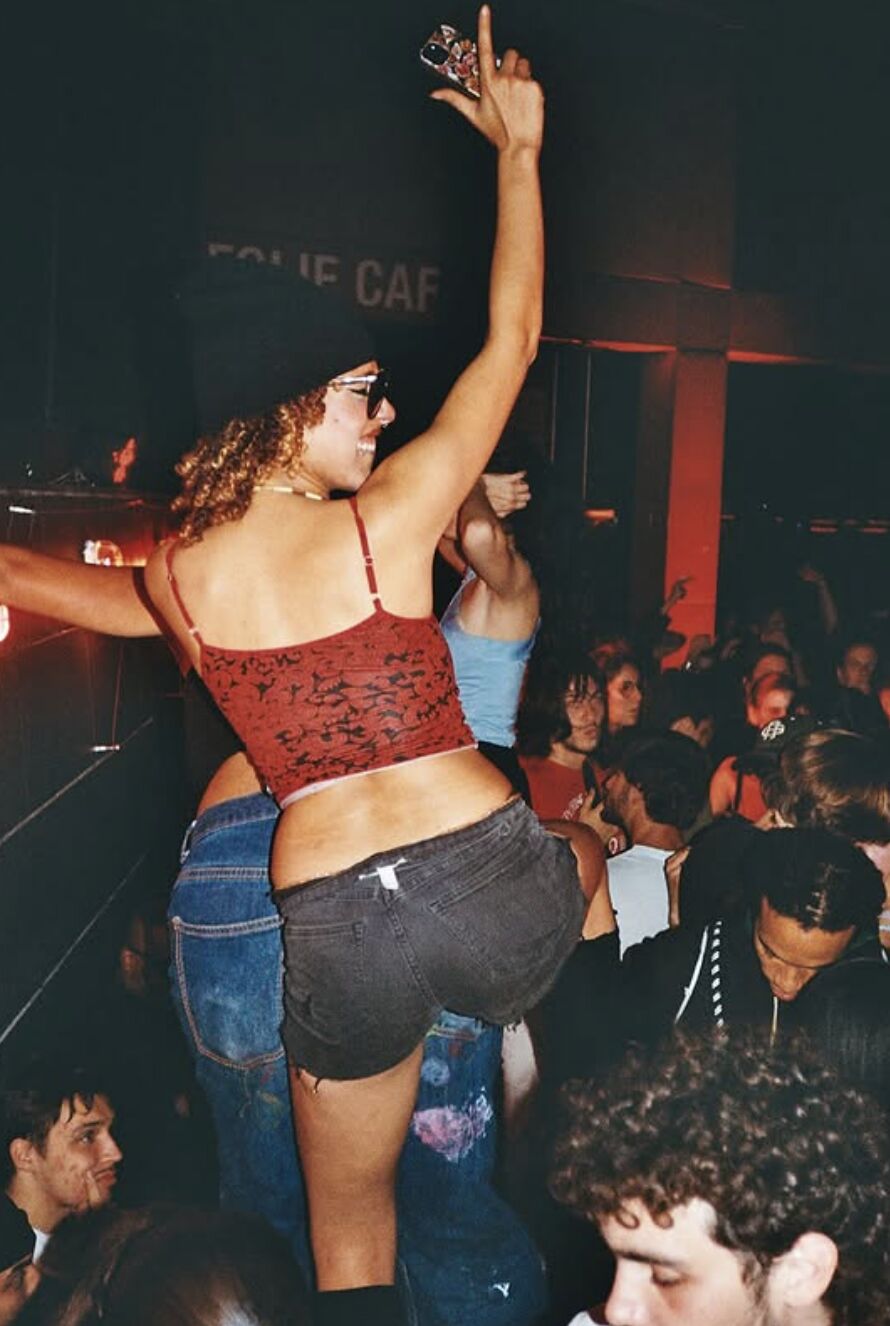
Carnival is all about play, its very nature is about letting go and celebrating life and the richness of Brazilian culture. Some of the most authentic carnival – or carnaval – events this year were built by collectives who have recognised its growing popularity and sought to create experiences that cater to both locals and tourists.
Where growth and scaling up are often vital for European-based collectives and grassroots movements, especially as running costs and a revenue-driven mindset can dictate their survival, this isn’t always the case in Brazil. For collectives and movements such as Ponto Cego and Visão, just starting the project, experimenting and making do with what they have remains the driving force behind everything they do – brand partnerships would be nice, but they are not the end goal. It feels rooted in play, first and foremost, through a desire to build global connections and relationships. Through this, Ponto Cego and Visão are reframing global narratives about young people and building their own futures.
“An underground culture in Brazil can be a mainstream culture in Europe, but you just need to produce a party for 500 people and create a new format that caters to new audiences. But now it's a little bit different because we start to understand we really like all this mix between Brazilian and Euro-African cultures,” 22Dosete adds, “I always pay attention to the mix of the cultures in Europe, the way people have to deal with different perspectives every day, mostly in France and the UK. Maybe this perspective made me keep focused on connecting random artists with different expressions.”
Carnival doesn’t just offer celebration and joy but a chance for freedom, renewal and optimism, which feel like rare commodities given all that is happening in the world. The event also offers young Brazilians the opportunity to network with tourists and international partygoers who share similar interests and values. “We have a lot of good artists, collectives and projects who just don’t know how to connect, so maybe I want to use my energy to create a better connection and growth within our scene to be more professional and solid. I know we have so much more potential. I really want to see things bigger than they are now,” 22Dosete explains.