
Play First: If you must steal, steal from brands
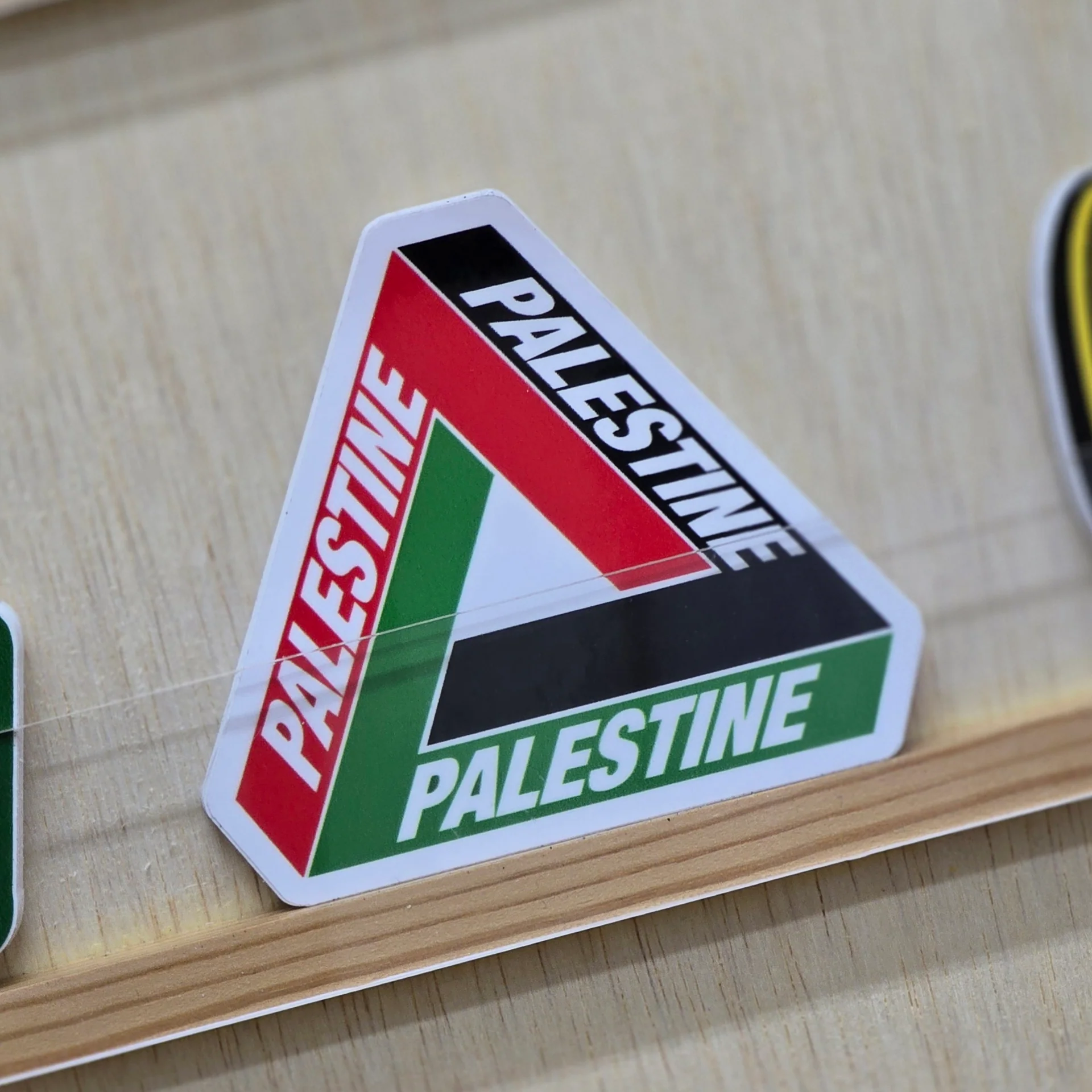
Bootleg culture will only continue to reinvent itself, no matter how many laws are put in place to protect copyright and trademarks. As Omar from The Wire said, it’s all in the game. It’s been well documented in the age of social media and shows no signs of slowing down, but bootlegging brand logos to signal and communicate deeper values and meaning not only feels more congruent but is pertinent in today’s landscape.
In regards to physical music, bootlegging had been an accepted phenomenon before digital streaming platforms monopolised music consumption. A bootlegger ripping a rapper’s new album wouldn’t have made a significant dent in sales; often, it had the opposite effect. At first, the illegal MP3 market was scorned, with Napster feeling the brunt, but what labels failed to understand was that a black market would always exist for commodities such as music. Now, bootlegging music feels redundant because of the access we have to wide catalogues - ownership has been replaced with subscriptions. Now, young people want to experience ownership of the media they consume, with a surge in the purchase of DVDs, CDs, vinyl and magazines.
With legacy brands in FMCG, tech, sports, fashion, alcohol and more, the bootlegging of brand identity renews the symbolism many of them are understood to represent. Brand logos and names conjure many different meanings, from victory, success, strength, regality, heritage and power. But ripping a logo entirely and reinventing it signals a playful approach like no other and, in many ways, demystifies the lore around a legacy brand. It says that even the most powerful aren’t immune to having the piss taken.

Baile Room’s, a party collective based in Belo Horizonte, Brazil, has long used an adaptation of the Boiler Room logo to lead to a curated event. Their audience understood the relevancy of the Boiler Room logo before it was considered uncool due to its acquisition by Superstruct Entertainment, and although the curated event came before the recent news regarding the brand, the collaboration highlighted how smaller brands can harness bootlegging to their advantage.
In the social media landscape, bootlegging brand logos and identities is a signal of playfulness and pisstaking of corporate aesthetics. Palace Skateboards’ logo being ripped by HypePeace back in 2016 feels particularly forward-thinking considering the resurgence it's experienced in the past few years. In an interview with Dazed in 2016, HypePeace said that Palace hadn’t reached out, but surely they would understand that filing a cease and desist order would damage the brand’s reputation. Even more so when you consider how much Palace rips from iconic brand logos.
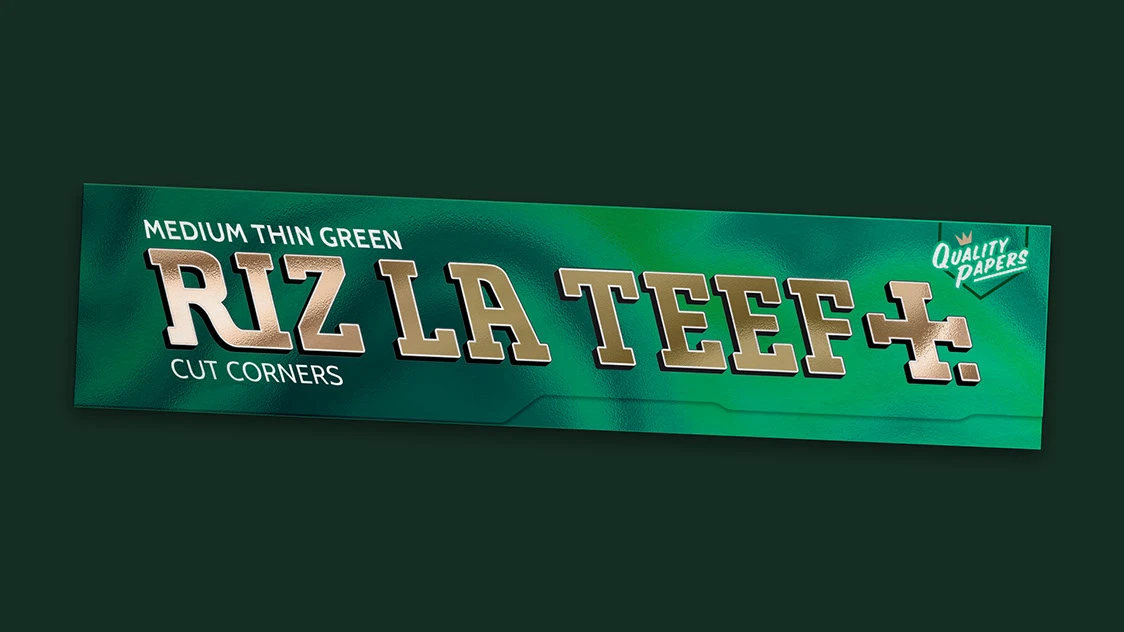
Streetwear brands often rely on a highly recognisable, 'flagship' item to anchor their identity and drive consumer recognition. For brands like Supreme (the box logo), Stüssy (the 8-ball, original script and Chanel logo), and Palace (the Triferg), these logos act as authenticating signals within their respective lifestyles and subcultures.
Corteiz, however, presents a compelling counter-example. While the Alcatraz logo is easily identifiable, the brand's success is not singularly dependent on a 'box logo tee' equivalent. This absence of a single, dominating flagship item is, in fact, a key advantage.
Unlike brands rooted in a specific sport, like skating, Corteiz is unburdened by a singular heritage. This allows for a more fluid and flexible creative approach. Their deftness comes from a constant, non-nostalgic reimagination of legacy and heritage, often by 'stealing' and reinterpreting cultural codes better than many of their peers.
By not being tied to a single item, Corteiz can pivot quickly, generate constant hype through exclusive drops, and maintain relevance across a wider range of apparel. The brand's signal of authenticity is not the unchanging repetition of a logo but the consistent quality and reverence of its overall output. This strategy fosters a deeper engagement with the brand's narrative and ethos, rather than just the transactional purchase of a single, iconic graphic. The lack of a static flagship item ensures that the focus remains on the collective strength and agility of the brand identity itself.
Smaller brands that don’t take themselves seriously and rip from corporate others build more efficacy because creating a dialogue about the meaning of legacy brands asks people to question their place in our lives.
It’s a playful approach that reflects the freedom small brands and creatives have, as they’re unrestrained by corporate legality and politics. However, through these playful approaches, reinterpretations of legacy brand logos do communicate a deeper message about how young people don’t always feel wedded to a brand just because previous generations did. To many, it’s considered a flex to buy fake because you bypassed the traditional routes, sticking a finger up to the system. Big logos are out to them, and if they’re going to wear a logo, it may as well be a bootleg, as we heard from James, 24, in Manchester. “Everyone knows that the fakes are getting made in the same place as the real ones, so why would I spend more money on something that’s not even going to be that much better quality. In fact, it’s a bit embarrassing if you have done that, because no one even cares anymore about logos.”
The world is chaotic, its so-called leaders have been colluding with the richest to steal and take from the poorest. There’s no sense in trying to be better; they’ve proved time and again that they’ll always descend to new lows. So why not feel slightly better about yourself by ripping from them? It won’t make a dent in balancing the scales, but joining them in their game provides the thrill we need in a world that doesn’t reward goodness.