
Redefining Winning: Spontaneity in Nightlife
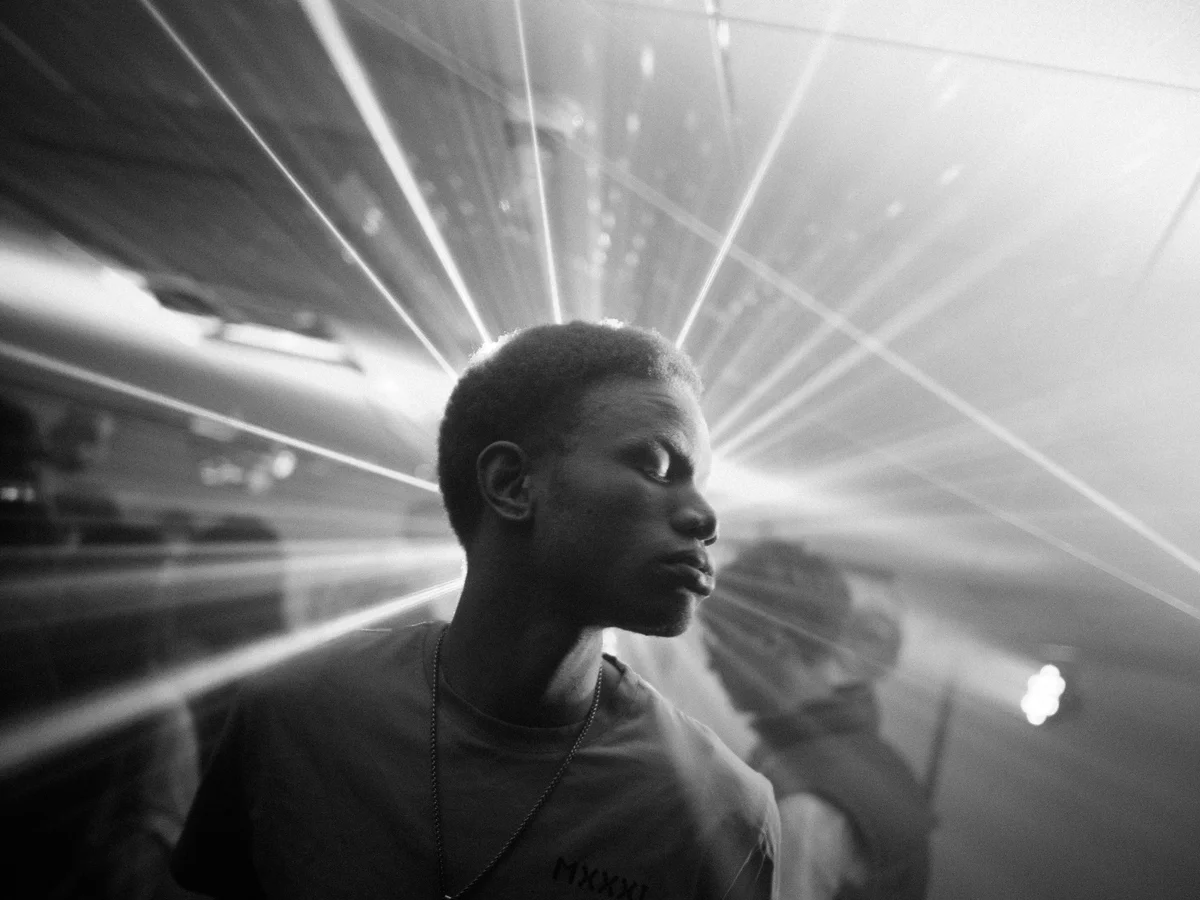
From the improvisational flow of a DJ set to bodies moving in a darkened room, nightlife has always been defined by spontaneity and unpredictability. But how are those principles showing up on dancefloors in 2026, what do they mean to Gen Z ravers, and what lessons can we learn from them? As shown in our latest webinar, young people are increasingly associating success with spontaneity: unpicking those connections within nightlife could have profound cultural implications.
For decades, the most spontaneous forms of nightlife have generally involved some degree of illegality. If you’re running a free party, the best way to avoid getting shut down is to announce the details at the last minute. And yet that unpredictability seems to be driving rather than dampening demand: unlicensed parties have grown by 34% in the last year, according to the Night Time Industries Association. Earlier this year, a free party titled London’s Calling saw 30 crews and 2,500 ravers, the vast majority in their teens and early twenties, take over an East London warehouse and dance until dawn.
“It’s almost like a treasure hunt, finding these spaces,” says nightlife photographer Yushy, who’s been documenting London’s thriving network of free parties and anti-authority sound systems since 2022. Section 63, the photo book that came from his research, is a love letter to a culture that’s had to remain mobile and unpredictable to survive.
Far from being a 90s throwback, Yushy’s photos show a free party scene driven by a new generation of organisers and dancers, who don’t feel at home in traditional clubs, and who see the risk of getting ripped off by unscrupulous promoters or raided by the police as part of the fun. “One promoter brought his mum, who set up a tuck shop in a back room,” says Yushy of the scene’s cross-generational appeal.
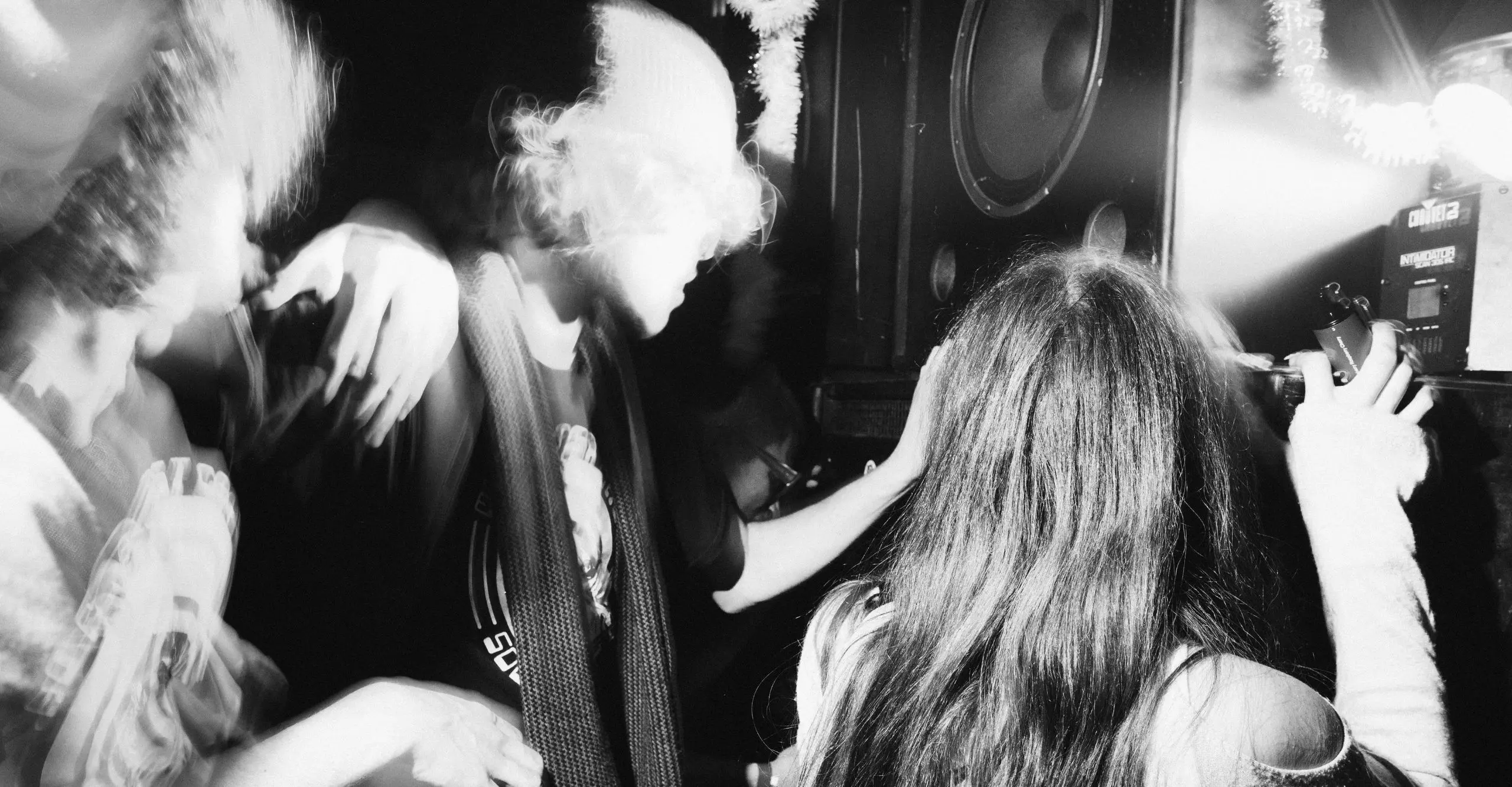
Licensed venues have increasingly tried to replicate the free party’s unruly energy and youth cultural appeal. A growing number of clubs have banned phones on the dancefloor, in an attempt to emphasise the in-the-moment experience rather than social media content. Other promoters have turned to impromptu pop-ups in novelty locations, with more culturally questionable results. Both approaches, however, speak to the same desire for messier and more emergent ways of engaging with nightlife.
Nightlife fans are also rethinking how they organise and connect: from Call Super and Peach’s latest party series being promoted solely via WhatsApp, to the Ravé Babes group chat, organising collective nights out for like-minded female and non-binary dance music fans, there’s been a clear move away from traditional marketing models and the rigid demands of social media, and towards something more far open-ended and inclusive.
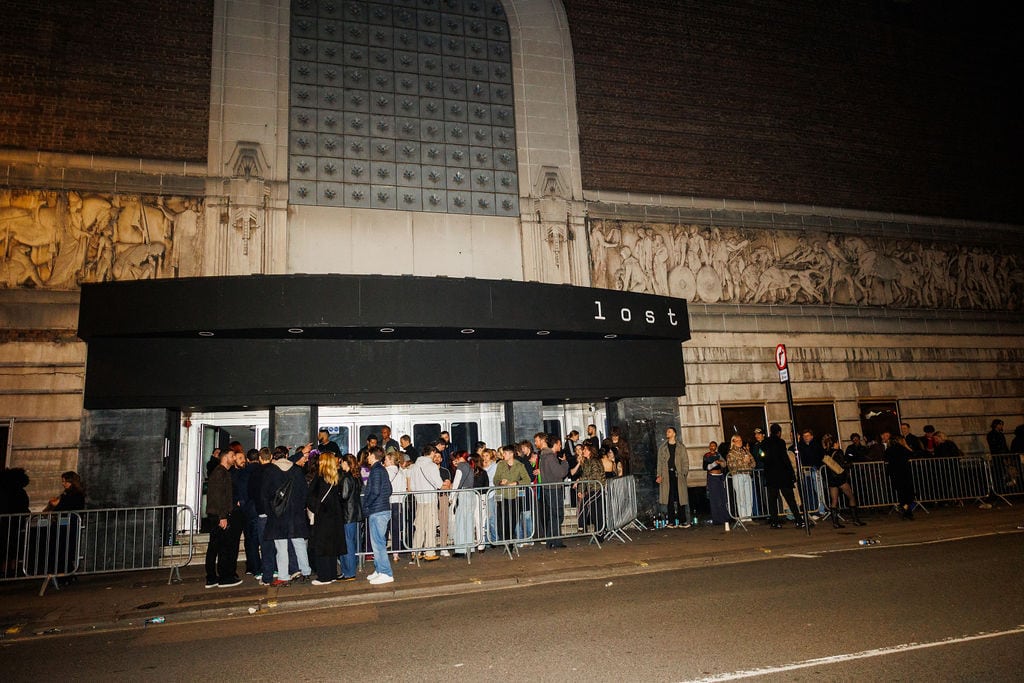
Lost, a temporary venue in an abandoned Odeon cinema on Shaftesbury Avenue run by the team behind Secret Cinema, has become perhaps the most talked-about club in the UK by combining all of these themes. Phones are confiscated at the door, lineups are kept secret, events are promoted solely through mailing lists, and DJs are accompanied by roving theatrical performances: all elements designed to keep things feeling more spontaneous and less predictable.
Their approach hasn’t been universally popular, though. Along with acclaim for revitalising London’s nightlife scene, Lost’s £30 entry fees, £17 drinks, restrictive dress codes and increasingly upper-class audiences have all been criticised as exclusionary. It seems that truly meaningful late-night culture requires more than just spontaneity to thrive.
Despite this, the upper echelons of the nightlife industry are getting involved too. When Thomas Bangalter played his first show in the UK for 18 years, appearing as a special guest on the final night of Fred Again’s UK tour, it wasn’t hyped or trailed in advance, but announced the morning of the gig. It instantly became the biggest dance music moment of the year.
Bangalter and Fred might have dominated the headlines, but they also inadvertently underline the limitations of spontaneity as a standalone strategy. Much like drop culture beginning to lose some of its sheen across fashion and music more broadly, the involvement of bigger corporate players risks eroding the very thing that makes these moments feel magical.
The spontaneous nature of an unlicensed party loses much of its meaning when it turns out to be part of a carefully curated brand campaign or artist launch. Big promoters have tried adopting last-minute text drops, as with a Red Bull event in 2019 celebrating UK garage, but if everyone already knows the location, it can end up feeling like a gimmick.
The first time you do something spontaneous, it feels fresh. But the more you repeat it, the more predictable and less spontaneous it becomes. Once you’ve done a surprise gig with the biggest names in dance music, there aren’t many other places you can go. “When everything’s a drop,” as The Atlantic puts it, “then what’s the point of a drop?”
The key is to avoid thinking about spontaneity in isolation, and instead see it as part of a wider creative ecosystem. Exciting scenes and moments feel spontaneous not because they happen at short notice, but because they’re rooted more deeply in a culture of creative experimentation and improvisation: artists, audiences and communities who have the confidence and space to try things out, rethink existing models, and act on impulse. Buying into that is what ultimately drives spontaneous innovation and pushes culture forward.