
Redefining Winning: The Future Of Flow

When the Hungarian-American psychologist Mihály Csíkszentmihályi first coined the term “flow state” in his 1975 book Beyond Boredom and Anxiety, he surely couldn’t have imagined the influence those ideas would continue to exert on global culture more than 50 years later.
From Csíkszentmihályi’s initial research into artists and athletes, and the feeling of intuitive, hyper-focused creativity that emerges when skill and demand are perfectly matched, “flow” has ended up being touted as the key to our happiness, mental health, creativity, productivity, even web design: a magic bullet for all of society’s ills.
But this focus on flow’s productive capacity feels at odds with several of its defining features, as mapped out by Csíkszentmihályi: being in the moment, ignoring outside pressures, and finding pleasure in the activity itself rather than a specific end goal. Flow states require us to forget about outcomes, yet we’ve ended up valuing them primarily for the results they produce.
As our research series The Future Is Play shows, young people are increasingly turning away from traditional signifiers of success, and instead treating play itself as the win: prioritising the journey over the destination, in much the same way as Csíkszentmihály's initital research suggested. So is it time to rethink our understanding of flow states? Is the future of flow rooted in productivity or play? And how might brands engage positively with those frictions?
Csíkszentmihály’s original inspirations for the concept of flow were varied and complex: as a keen skier, the feeling of carving clean lines in fresh snow ended up being key to his later work. But he also cites a 1960s interview with a New York fishmonger, cutting up salmon to put in the day’s bagel orders, for whom flow meant being able to “waste as little of the meat as possible, make the cuts as thin as can be, and do it as fast as I can.” Flow isn’t just about abstract pleasure, Csíkszentmihály argues, but finding meaning in the mundane, manual labour included.

The aftermath of the Second World War also played a fundamental role in shaping Csíkszentmihály’s understanding of human psychology. Growing up in the ruins of post-war Europe, before moving to the USA in the early 1950s, Csíkszentmihály was under no illusions about war as a zero-sum game, defined by whether you ended up on the winning or losing side. His description of flow as a state in which “there is no worry of failure” also feels like an optimistic and quietly political statement: a vote of confidence in humanity’s ability to move beyond conflict.
"Repression is not the way to virtue,” reads one famous passage from Beyond Boredom and Anxiety. “When people restrain themselves out of fear, their lives are by necessity diminished. Only through freely chosen discipline can life be enjoyed and still kept within the bounds of reason."
Flow has never been entirely divorced from these broader questions. But the nature of that relationship has shifted dramatically in recent years. Hyper-optimised and refracted through the lens of hustle culture, flow is now presented to us as a “productivity hack”, a tool to manage pandemic-related anxiety, or a marketing hook for enterprise software companies. Originally understood as a way to tune out the noise, flow has ended up ensnared by the same cycles of production and consumption as everything else.
This, of course, reflects wider societal shifts, in which our time and attention have become increasingly automated, commodified and tracked. From algorithmic feeds and agentic AI to facial recognition and behavioural modelling, we’re now monitored, over-stimulated and distracted to previously unimaginable levels, making it harder than ever to access that feeling of flow.
So what’s the answer? Our research suggests that reconnecting with Csíkszentmihály’s original understanding of flow, and aligning it with many young people’s growing desire for open-ended creativity rather than results-driven competition, might offer a way forward: an alternative to both our productivity-driven approach to flow states and the hyper-competitive ideologies which drive other youth subcultures, from looksmaxxing to Mr Beast.
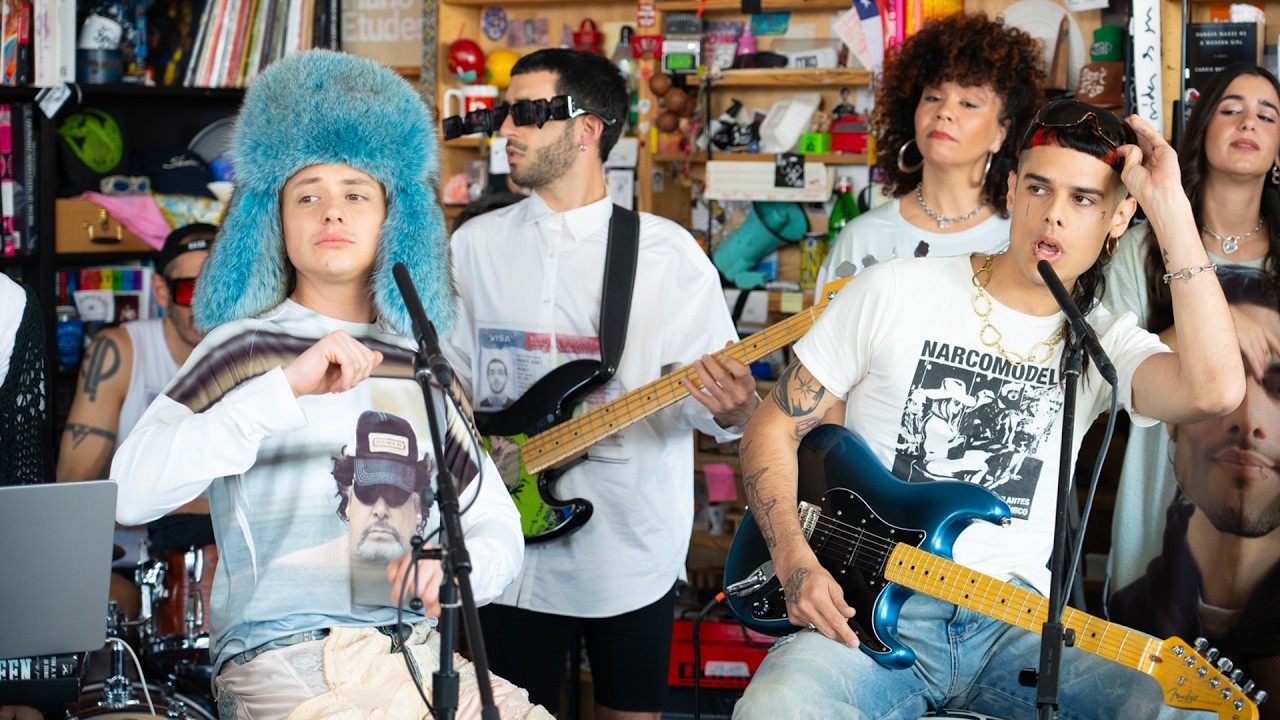
Rather than seeing flow as a means to an end, what if we embraced it as an end in itself? Think of Alyssa Liu’s gold medal routine at the Winter Olympics, Max Dowman gliding past Everton defenders with a subtle drop of the shoulder (a welcome throwback to the gloriously creative days of Wenger’s free-flowing sides, at a time when the game is more regimented than ever), or Ca7riel and Paco Amoroso’s seamless flows on their viral Tiny Desk set. That blissful feeling of locked-in focus and instinctive, spontaneous expression is impossible to quantify, but we all know it when we see it. Attempts to capture or commodify it can’t help but fall short.
Instead of trying to calculate flow’s return on investment - and in doing so undermining the very thing that makes it special - the smart move for brands might just be to let go of their preconceptions. Creating spaces where flow and play can flourish - without outside pressures, expectations or targets - may end up being the surest way to foster genuine cultural connection.