
Redefining Winning: The Soundclash And Competitive Culture
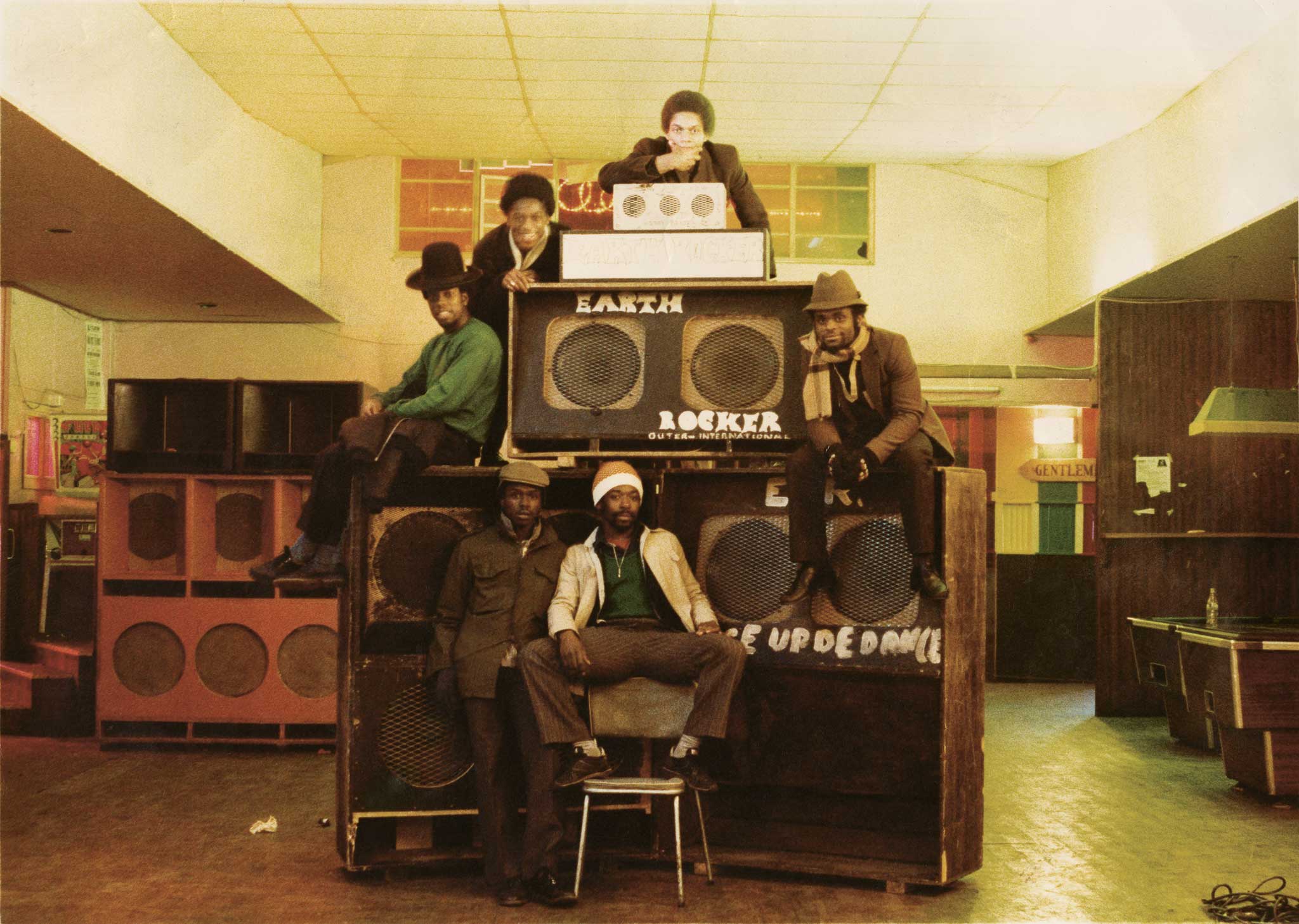
We might not necessarily think of culture as inherently competitive, but self-expression has always been bound up in our ideas of winning and losing.
This is true of theatrical contests in Ancient Greece, Trinidadian floats competing at Notting Hill Carnival, or even the Olympics, which used to award medals for art, poetry and sculpture. Throughout history, creativity hasn’t just been rooted in following your muse, but also getting one over on your rivals.
But that connection between culture and competition is undergoing a profound shift. Social media has prompted us to become hyper-competitive, constantly comparing follower counts and digital metrics with those around us. In response, more and more young people are consciously choosing a different path.
Our recent sessions on “The Future Is Play” show that Gen Z are increasingly turned off by traditional metrics of success, and instead see play - having space to create freely, experiment with different ideas, and build something new - as an end in itself. Communal freedom, rather than individual achievement, is what really feels aspirational and liberating.
If you need a practical example of this, Jamaican soundclash culture offers a fascinating parallel to those wider shifts in the relationship between culture and winning. Over the last 80 years, it’s turned music and sound into a highly codified spectator sport, but it’s also been consistently rooted in community identity and grassroots expression.
The soundclash dates back to 1950s Kingston: before reggae emerged as a distinct genre, winning was less about technical superiority or speaker volume, and more about access to the freshest R&B imports from the US. “It wasn’t the big sound, it was the record,” soundsystem pioneer Cyril “Count C” Braithwaite explained in 2011.
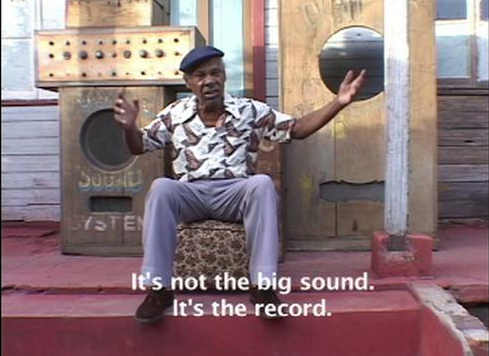
Over subsequent years, bass took over: “drowning out your competitor in volume, thus requiring physically bigger and more powerful speakers.” The soundclash became a more combative, technical arena, with soundmen vying to overpower each other. This perhaps reflected wider shifts in Jamaica’s social and political landscape, from gang-related conflicts to political upheaval and the ascent of Rastafarianism.
When clashes first reached the UK, they took place indoors rather than in the open air, as they had done in Jamaica, making raw volume less important. How tunes were played or sung over, rather than the system they were played on, came back to the foreground. This shift influenced the evolution of lover’s rock (a softer, more melodic subgenre born in the UK), underscoring again the symbiotic relationship between competition and cultural evolution.
Just like the Premier League and the NBA, the Soundclash became more professionalised and marketable over the course of the 1990s. This was sometimes controversial: the World Clash event series, in particular, faced criticism over its strict codification of the clash’s previously unspoken rules. In subsequent years, events like Red Bull Culture Clash turned the soundclash into a lucrative branded content platform, upping the production values and broadening its musical palette, but losing some of the underground energy which made earlier iterations unique.

If the global popularity of traditional reggae soundclashes has faded in recent years, their cultural legacy remains more visible than ever, with genres from jungle to grime building on the competitive foundations of the clash to push culture forward, respecting the heritage but functioning very differently.
Today, winning a clash on Travs Presents or Victory Lap doesn’t require you to build your own speakers, or even get a reload from the DJ: it’s about coming up with that one bar that goes viral. Like so many other forms of culture, the soundclash has been distilled down to its simplest elements for social sharing and short-form video.
But things are also coming full circle, with a renewed emphasis on the community roots of the soundsystem itself, from Black Obsidian Sound System building spaces and infrastructure for queer POC DJs and MCs, to Steeze Factory and Felt Soundsystem running free local workshops on constructing your own speakers as a form of community resource-building.
Our desire to win clearly drives innovation, reflects our social context, and inspires new cultural forms. But focusing solely on winners and losers also means missing the bigger picture: it’s not just the end result, but the culture we build around these moments of competition, which truly endures.