
Redefining Winning: Why Gen Z Are Really Logging Off
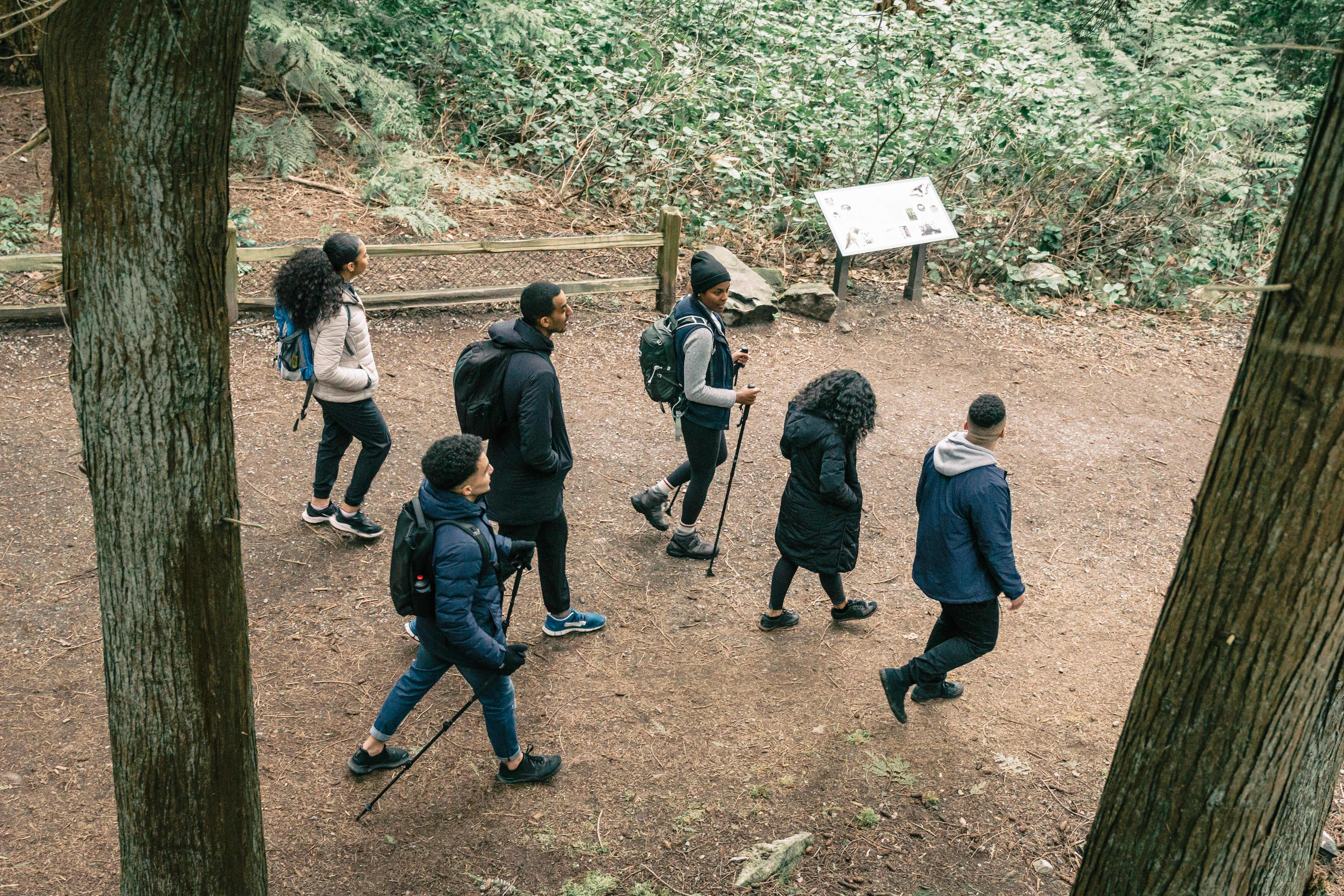
If there’s one thing we're constantly told about Gen Z, it’s that they’ve all gone offline.
You can barely open a magazine in 2026 (or a website, perhaps, if you’re old) without being reminded that young people are rejecting digital connection in favour of real-life community and analogue tech. Disposable cameras, DVD collections and run clubs have taken over from Instagram, Netflix or Strava, as we unplug from the online grind and “step back into the real world.”
That cultural shift might have prompted endless column inches, but our understanding of the causes behind it doesn’t feel quite so concrete. The most common diagnosis is that Gen Z have reached peak social media burnout, and are rushing to escape the pressures of the algorithm: a reactive instinct rooted in negativity towards the status quo.
But what if the reality was more complex? Dig a little deeper, and it’s clear that young people are in fact making a positive, active choice to explore new cultural possibilities, rather than merely pushing back against things they don’t like.
That’s not to ignore their frustrations with social media. The young people in our global network regularly tell us that they’re fed up with endless demands for content creation, and increasingly desensitised to the dopamine hits of the algorithmic engagement cycle. But they’re also flipping this into a positive.
As part of our research session on “The Future Of Cool”, Sik, a teenage Londoner, explained that he’s far more interested in recommendation-based platforms like Perfectly Imperfect than traditional social media: “There’s no algorithm dictating what you should think is cool. It’s all human,” he explained. 16-year-old Rosa from Spain tells us something similar. “If I'm watching something on my phone, in 5 minutes I won't even remember what I saw,” she says. “But when I'm living that moment, I'll remember.”
It turns out that the impulse to ditch digital platforms isn’t just about being bored with Instagram. It’s also a positive expression of young people’s confidence, creativity and playfulness. In our recent “The Future Is Play” seminar, 23-year-old musician Noli emphasised the importance of “[being] comfortable and open to experimenting, making mistakes.” Rashad, another attendee, applied similar thinking to sports. “The goal for me when I play football isn't to win,” he says, “it’s to have fun.”
The emphasis on play is key to understanding what’s really going on. When you ask Gen Z what matters to them, they talk about finding space to explore new ideas and experiences, without pressure to instantly monetise everything. They want to control when, where and how they connect, and when they’re able to switch off. And they want to live in the moment, rather than worrying about how they’ll appear on everyone’s feeds tomorrow.
This goes deeper than simple online vs offline debates. Even if 50% of Gen Z want to reduce their screentime, they still average well over 7 hours a day. They’re looking for offline experiences not because they’ve all suddenly become allergic to their phones, but because the rigid and predictable experiences offered by social media platforms no longer allow for open-ended, playful exploration.
So what are the key learnings here for brands wanting to capitalise on those shifting cultural tastes?
Firstly, moving online experiences into offline spaces isn’t enough on its own. You need to understand what your audiences are really looking for, and make sure that you’re addressing those needs. This might be a space to experiment creatively without fear of making mistakes, a clear and sustainable form of community, or even just a chance to switch off, without heavy-handed branding everywhere.
Polaroid’s series of phone-free walking tours last summer, for example, reflected a clear desire to create experiences that went beyond a mere photo op. Most other branded pop-ups, by comparison, simply move digital experiences into IRL spaces while remaining rooted in the same principles of conspicuous consumption and competitive online visibility. Result? A bit of temporary buzz, with no lasting cultural resonance once the novelty wears off.
The second theme here is to actually listen to Gen Z, rather than applying your own preconceptions or motives to their actions. Every new shift in youth culture, from punk to rave, has witnessed something similar: older generations underplaying the autonomy of young people, assuming they’re being passively driven by wider societal forces rather than intentionally forging their own new path.
The brands best placed to benefit from Gen Z’s offline shift will be those that see it not as an act of desperation or annoyance, but as a new form of collective creativity, and engage with it on those terms.