
Status Shift: From Fantasy to Reality
.png)
- Gen Z once looked up to celebrities for their extravagant lifestyles and designer clothes.
- But consumers are now finding status symbols in very different places: today, aspiration means filling our everyday lives with enriching experiences, from travel to food to wellness.
- Tapping into this trend is vital for brands looking to position themselves as aspirational for Gen Z.
“G-L-A-M-O-R-O-U-S / We flyin' the first class, up in the sky / Poppin' champagne / Livin' my life in the fast lane,” sang Fergie of the Black Eyed Peas in 2006.
The accompanying music video – etched into my mind from childhood – shows the global pop star riding in limos and private jets, making it rain with dollar bills and sipping from champagne flutes. But between these scenes, flash-backs of Fergie’s life before fame are layered in: going to house parties with friends, eating in normal restaurants and getting advice from her dad. The message is clear: Fergie’s made it. She’s left everyday reality and entered the high life (literally).
Throughout the 2010s, this image of wealth, luxury, and extravagance was what constituted aspiration. It was what every young person wanted, and those who embodied it quickly became our role models: from Kanye West to Angelina Jolie, both named in TIME Magazine’s list of the most influential people in 2006, the stars of 20 years ago were defined by their immense fame and unattainable lifestyles.
The same year, TIME Magazine announced that their Person of the Year was “You” - a decision made in recognition of the individual content creators that had started to emerge on the internet, and a reflection of our rapidly shifting relationship to ideas around status.
The rise of the influencer meant that everyday people could become famous for little more than posting online, revealing in the process that wealth, luxury and extravagance was - at least theoretically - within anyone’s reach.
.jpg)
Suddenly, it wasn't just actors and pop stars that flaunted expensive cars and got free tables at nightclubs, it was the girl-next-door who had shot into stardom for little more than spending a month in the Love Island villa. What’s more, you could get a glimpse into that lifestyle with the click of a finger, without having to wait for blurry paparazzi photos to come out in OK! magazine.
G-L-A-M-O-U-R felt more accessible than ever before: a shift which rapidly led to its downfall. As traditional status signifiers become culturally ubiquitous, they lose their status. Young people in search of someone or something to look up to shift their focus, and find meaning elsewhere.
In his analysis of this new version of status, the cultural commentator Eugene Healey looks at various different behaviours that feel aspirational today. Each of them are, for the average person in 2026, hard to achieve: “wasteful time” means opting out of optimisation culture, while “connected privacy” involves coming offline but somehow remaining in the loop, and “niche expertise” takes human effort, depth and individuality, all things which are hard to refine in a world of algorithms and AI.
Where status was once about conspicuous consumption, it’s now about intentional curation. Going to a run club, showing off your record collection, or engaging in the “Euro Summer” trend of 2026 are all about living a tasteful life - doing things that enrich you in small but significant ways - rather than amassing physical signifiers of your status.
In addition to feeling ubiquitous and over-accessible, traditional status signifiers have also lost much of their sheen. When embodied by the likes of Elon Musk and Jeff Bezos, we associate wealth, luxury and extravagance with extreme inequality, corruption and climate breakdown: all issues which are only becoming more obvious and important to young people as the majority of our economic circumstances become ever more constrained. Being able to pay your rent, work your job and still have time for all your hobbies and socialising? That’s the real flex.
Brands are responding to this by creating products that elevate the everyday, rather than selling us temporary fantasies. From Hermès’ iPhone charger to Isabel Marant’s collaboration with Havaianas and Balenciaga’s recent Technical Wellness campaign, high fashion is coming for the lifestyle sector by blending craftsmanship, aesthetics and quality with ritual, wellness and practicality.
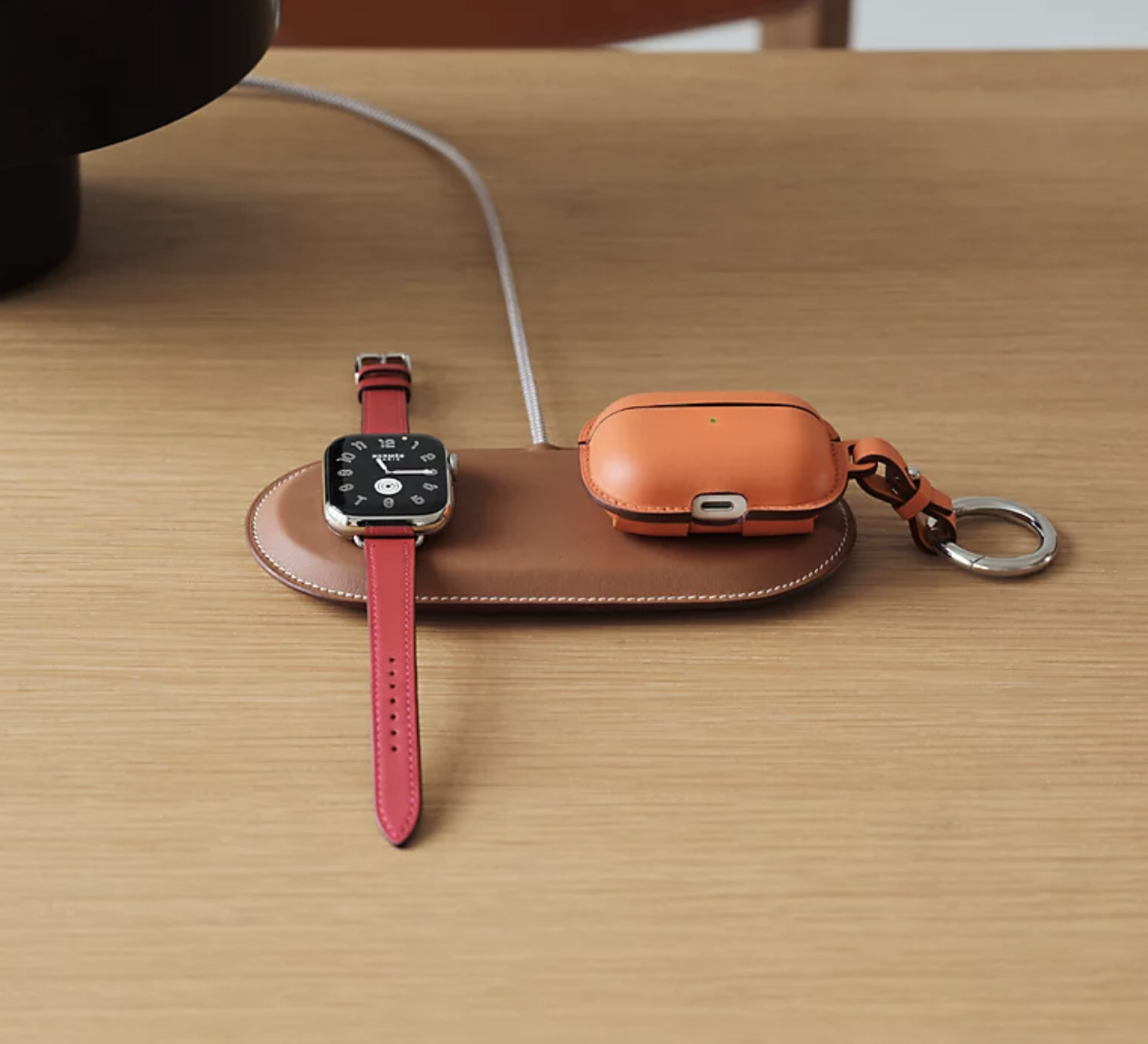
At the same time, we’ve seen lifestyle brands like Blank Street, Strava, and Aesop become status symbols in their own right: signalling more about your cultural awareness and standing than most designer logos ever could. The fashion labels matching them for cultural impact tend to be ones rooted in day-to-day useability, including sports brands like ROA, Goldwin and ON, and the increasing confluence of sportswear with streetwear (as evidenced in much of our own research).
Meanwhile, sports brands like Pas Normal and Satisfy are building entire worlds around their products that bring its potential to life. Pas Normal host group cycle rides with coffee stops along the way, creating a brand culture that fits seamlessly into aspirational visions of self-directed lifestyle curation, while Satisfy does a similar thing with running. Both brands focus on how their products can be integrated into your life in order to enhance it, rather than promising you a different kind of life entirely.
All of which explains why enrichment rather than escapism is the biggest status symbol for Gen Z. It’s why we’ve seen influencer friendship groups popping up in our feeds, why travel has become such a big category amongst Gen Z consumers (they average three leisure trips a year), and why some of the most influential handles on Instagram today are the curatorial pages listing event, pub, or restaurant recommendations.
Perhaps the ultimate queen bee of high status life experiences is Dua Lipa, who regularly poses with friends, family or her boyfriend, often whilst on holiday, and even runs her own newsletter ‘Service 95’ with weekly cultural recommendations on “activism, travel, wellbeing, style, identity, relationships and more.” While her music is not considered particularly groundbreaking, the Dua brand reaches far beyond the artist’s initial fanbase, largely due to its ability to tap into this cultural shift.
Far from flaunting her riches on private jets, the hobby Dua is best known for (outside of singing) is reading – an activity we can all easily take part in. She hosts a book club, interviews authors on her podcast and has even opened a permanent library space in collaboration with the Livraria Lello in Porto, which houses “an archive of banned books”.
Has a normal stable life become so inaccessible that it’s become aspirational? That’s certainly one way of looking at it. But I think it’s deeper than that, with much more at play: young people have woken up to the shallowness that came with status as fantasy; the illusion that fame, expensive clothes and influence will bring you happiness.
Instead, there is a greater understanding that true aspiration is about finding happiness in the everyday. For brands who understand that, and meet young people where they are, the opportunities are substantial.