
The Future of Dining

Food and the act of eating are sacred rituals that have evolved in numerous ways throughout history. Since the days of hunter-gatherers, food has always been a ritual that brings people together.
They are often at their best when they involve the coming together of people, with roots not just in religious and spiritual practices but also in society at large. This week, in America, people are giving thanks in honour of the pilgrims – despite the dark and violent origins of Thanksgiving – most people are celebrating the communal aspect the holiday provides.
The future of dining has continued to shift and take many diverging paths in recent years.
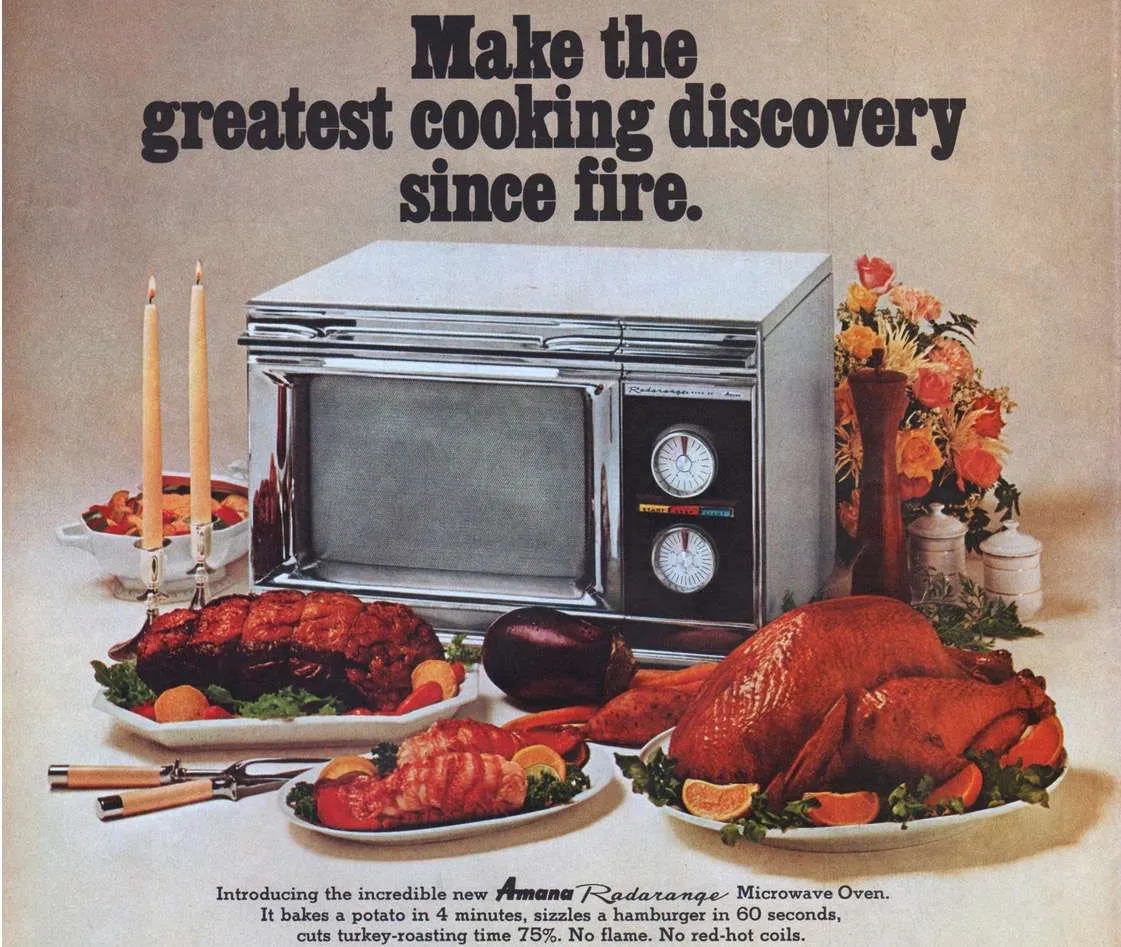
Since the 1950s, following rationing in World War II Britain, there has been a steady increase towards dining and convenience, which has been accelerated by the mass adoption of smartphones. In recent years, however, food has been closely linked to optimisation as well as convenience; how can we get the most out of food as quickly as possible for minimal cost and effort?
With that in mind, something has to give, and that often is taste, quality or the social element of dining. Which is why apps such as Just Eat, Deliveroo and Uber Eats have proven to be successful even if the restaurants are losing money. In major cities and towns, they had to jump on the train or risk being left behind.
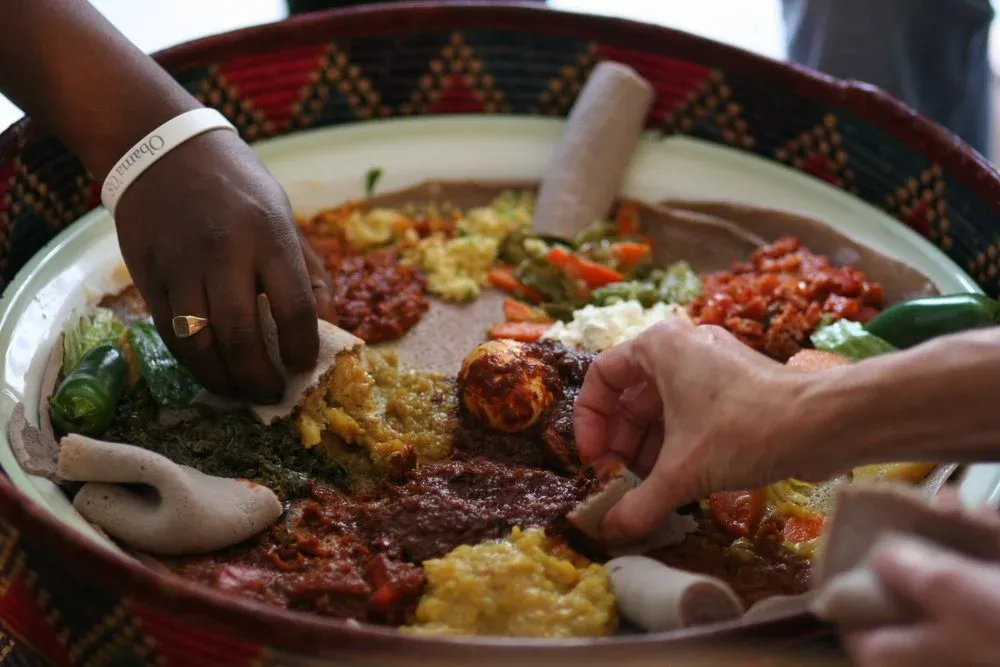
Dining out has now been reserved for the wealthy, as it has become increasingly inaccessible, particularly in a city like London. This isn’t across the board, though. Areas with cuisines that cater to immigrant communities, such as West Green Road in Tottenham, Elephant & Castle, Southall, Whitechapel and Electric Avenue for are not only affordable but also emphasise communal dining. In these communities, dining is fundamental to the survival of cultural rituals in foreign lands, allowing generations to pass down traditions, ensuring that a sense of home and heritage isn’t lost.
In Britain, there is a greater emphasis on the nuclear family. In contrast, those of non-British heritage and working-class backgrounds often view the extended family as a community and support network. A wider familial system represents resilience and social cohesion. Still, wealthier families usually have the means to rely mainly on the nuclear structure, hence the term ‘2.4 children’, which refers to the traditional average family size in the UK. As both parents began entering the workforce in the 1960s, dining gradually became less of a communal act and an independent one. The social gathering around dining became reserved for the weekends – such as the Saturday night takeaway and Sunday roasts – as well as special holidays.
Not everyone buys into convenient dining and eating; many prefer slowness, spending time in the kitchen and the process of preparing the meal. Others have no choice but to do so due to affordability and poverty. Since 2010, food bank usage has surged, with The Trussell Trust distributing 60,000 food parcels in 2010/11. That number has risen exponentially, with the charity distributing 2.9 million parcels in 2024/25. We have the Tories to thank for this growing number and pervasiveness of food insecurity and poverty.
On the optimisation side of this argument, as a society, we’re obsessed with youthfulness and extending our lifespans. We obviously can’t live forever, but we are obsessed with methods and tricks that can help us stay on the planet just a bit longer. Perhaps this relationship with mortality has been influenced by the fact that the world is slowly being destroyed by climate change, and the one thing we do have within our control is the quality of the life we do have.
Everywhere you look, we are bombarded with messages that show us that we need more: protein, collagen, fibre, greens, vitamin D and sleep. That has been sold back to us through shakes, shots, daily fuel and tablets. More, more, more and more. These things are ultimately good for us, but aren’t they sucking the joy out of eating and making us feel just a bit more anxious? And this obsession with optimising the way we live is impacting the way we eat and ultimately dine. Why go out for a meal or even cook when you can have a nutritionally complete meal like Huel?
Granted, some people eat for sustenance and not fulfilment, but surely there must be a middle ground? Is our future eating vacuum-packed, lab-grown slop that looks like what Neo was introduced to when we woke up from living in The Matrix? That looks like a grim future, but somewhere, this is already happening, and people will soon embrace this new technology just like we have with everything else.
So what does our ideal future of dining look like, and what is achievable? The concept of Friendsmas isn’t just a trend that has grown due to millennials and Gen Z opting to spend the holidays with chosen family and friends. An underlying factor in the rise in Friendsmas is that it is an affordable way for young people to come together. However, this social activity isn’t just reserved for the holidays; young people are increasingly dining together at home, and there are several reasons why. Clubbing culture has shifted due to cost; dining out has become expensive, and fundamentally, young people are trying hard to resist isolation and the loneliness that comes with living in urban metropolitan areas.
What should brands be doing to facilitate this return to communal dining in ways that feel nourishing and restorative while prioritising socialising and adapting to modern life? Perhaps, sticking with tried-and-tested formulas that are known to work is the key. This also doesn’t mean a complete rejection of convenience, as people living in major cities still desire this.
Yard Sale Pizza and Nando’s are two brands that have done this well. Yard Sale has leaned into traditional New York pizza culture without scrimping on flavour and taste, where it’s all about people coming together during a night in or at the pub. Nando’s, on the other hand, still offers its platter meals, which remain affordable despite increasing its prices. Both brands have also incentivised customers to come back through loyalty cards; it’s a simple but effective mechanism that benefits all parties. Nando’s has built a strong reputation in British culture for over twenty years with this approach, and although Yard Sale Pizza is a smaller brand, it’s becoming one of the leading brands across London. Additionally, both brands have embraced convenience, but neither has hinged their positioning on this.
Overall, a key challenge is that in dining, the brand should be secondary to the overall experience. Spaces that lean into crafts, heritage and storytelling, such as Dishoom, will always remain popular because they tap into an innate feeling that embodies care, precision and multisensory experiences. Given the loneliness epidemic, the sharing of a meal can have transformative and restorative benefits.
Our future of dining can still be communal, affordable and enjoyable, but this means taking the long, hard road and resisting everything they’re telling us is more convenient and efficient. Instead, we should opt for sitting down together and sharing a meal. That’s the future we should all be striving for.