
The rise of the internet chef and how they revolutionised the way we eat at home

I was having a conversation with my friends the other day about how our parents’ cooking has changed over the years. Growing up, the same few dishes tended to be on rotation: Monday, we might have a chicken curry, Tuesday spaghetti bolognese, Wednesday baked potatoes, Friday some sort of fish, Saturday take-away, and Sunday a roast. Of course, there were more than seven dishes my mum could cook, but on the whole, the choices remained pretty familiar (which is not a criticism of her, btw).
Now, however, I often come home to my mum making an entirely new dish I have never tried before, let alone seen her cook. Harisa chicken, gochujang noodles, pork bibimbap; the list goes on. I think this journey from having a few signature dishes to experimenting with new flavours and making something different every night, might be one a lot of people can relate to – unless you have always been a passionate chef with plenty of time on your hands.
The popularity of cooking tutorials on social media has revolutionised the way we eat at home, exposing us to new cuisines and giving us the confidence to try different techniques. In essence, apps like Instagram and TikTok have made cooking more accessible to a wider audience, making complicated recipes look easy and encouraging amateur chefs to branch out from their comfort zones, with infinite kitchen inspiration to choose from.
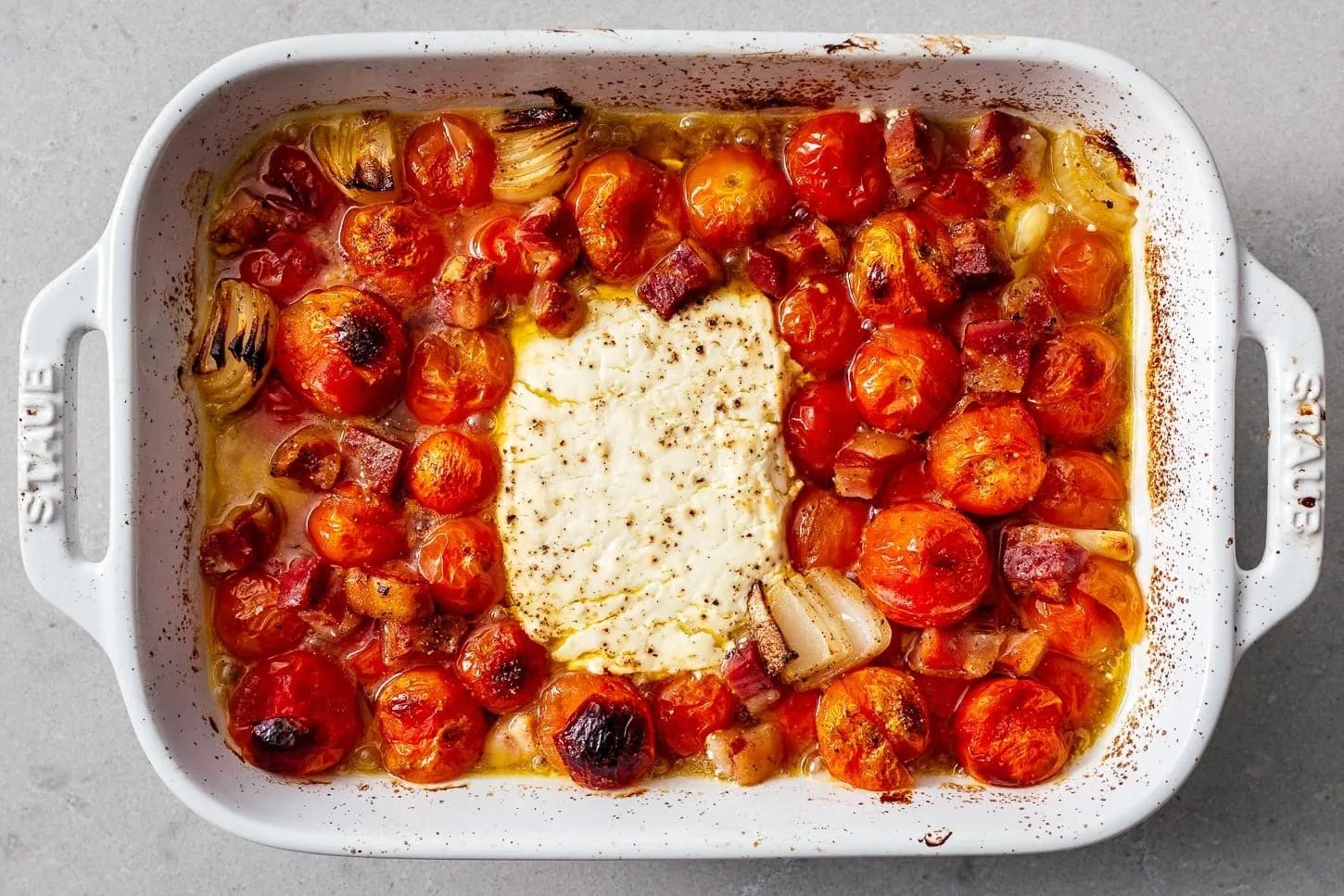
As with everything on social media, it has also given rise to trending foods. According to Emily Heil, a writer for The Washington Post, the first major viral recipe spread via TikTok was a baked feta pasta dish that became popular in 2019 – a simple traybake that was essentially a pimped out tomato sauce. Requiring minimal effort, the recipe showed people how easy it was to make seemingly fancy dishes. After that came birria tacos, vodka pasta, dalgona coffee, and salmon-rice bowls with Kewpie mayo – all of which had their time in the limelight during the pandemic, when people were already cooking more and looking for interesting things to make.
For myself and other people my age, this experience coincided with moving out of our family homes and really having to cook for ourselves every day. And with the cost-of-living crisis making it increasingly impossible to eat out (even after lockdown ended), cooking at home became all the more important. So, we learned to cook online, searching for recipes in the university library and sending them to each other, before heading home to try out the latest viral TikTok recipe, or some other niche dish from our favourite creator. At the time, Mob Kitchen had us in a bit of a chokehold, but it feels like other creators have since risen to the fore, and the tutorial space is more dispersed now.
And, as it has become more dispersed, different styles of cooking tutorials have emerged. There are the highly satisfying videos of people cooking in the wild, videos of people making their kids’ packed lunches, super tidy chefs, super messy chefs, chefs that grow their own vegetables, others that specialise in cake decorating, sandwiches, stews, or dishes from around the world. Some creators guide you through the process, sharing stories about their lives along the way. Others use a short, choppy editing style soundtracked by ASMR-like sound effects that emphasise the chef’s actions: slapping a piece of meat on a chopping board, cracking an egg, sizzling a steak.
Then there is the more politicised side of food content. The ‘tradwives’ that post videos of themselves baking bread while dressed in highly feminine, and often very traditional, clothing. Chiming with a wider shift to the right and a surge in conservative gender politics, these videos are a pointed reflection of the times we live in and contribute to the regressive image of femininity being put forward by the manosphere. On the flip side, there are also left-wing food fanatics who promote sustainable living and plant-based diets – sometimes with dubious health advice.
In an article for The Atlantic entitled ‘The Culture War Comes to the Kitchen’, Sophie Gilbert explains how these two sides of the spectrum are actually uniting in their extreme emphasis on self-sufficiency and a reversion to old cooking techniques:
“In 2020, amid the anxiety and embattled politics of the pandemic, the 21st century’s wellness fads, paranoid tendencies, and regressive gender dynamics consolidated. The horseshoe gap between leftist naturopaths and libertarian farmsteaders began to close, enabled by health influencers, podcasters, and the cheap thrill of algorithmic engagement. Today, the people most likely to be advocating online for slow food are homesteaders and tradwives, canny content creators who post reels of themselves churning butter and pulling dirt-dusted produce out of the soil.”
An ironic phenomenon that would likely be denied by both perpetrators, this full circle moment is taking place precisely because of the ubiquity and common appeal of the food tutorial; no matter what your political views, hobbies, or demographics are, these gratifying videos are probably in your algorithm.
In some instances, questions around who is teaching us the recipes to what cuisines need to be raised, particularly when tutorials on indigenous dishes are being made by people not of that specific heritage, and gaining the most views. As the food content industry continues to expand, there should be more awareness around the appropriation of food culture and the ethics of (or lack thereof) profiting off of a cuisine that is not your own.
And, with food tutorials so easy to access on our phones, the age of the TV cooking show is gradually coming to an end, with only 12 commissioned in 2025, down from 42 last year and a high of 100 in 2019, according to analysis by Broadcast Intelligence. Aside from’ The Great British Bake Off’, which remains one of Channel 4’s top shows, the so-called ‘chop-and-chat’ programmes have been replaced by the addictiveness and ease of foodtok. Now an essential part of our culture, these videos snuck up on us without us even noticing, leaving an indelible mark on one of the most intimate, yet universal, parts of our lives.